Canon EOS R6 Mark III review
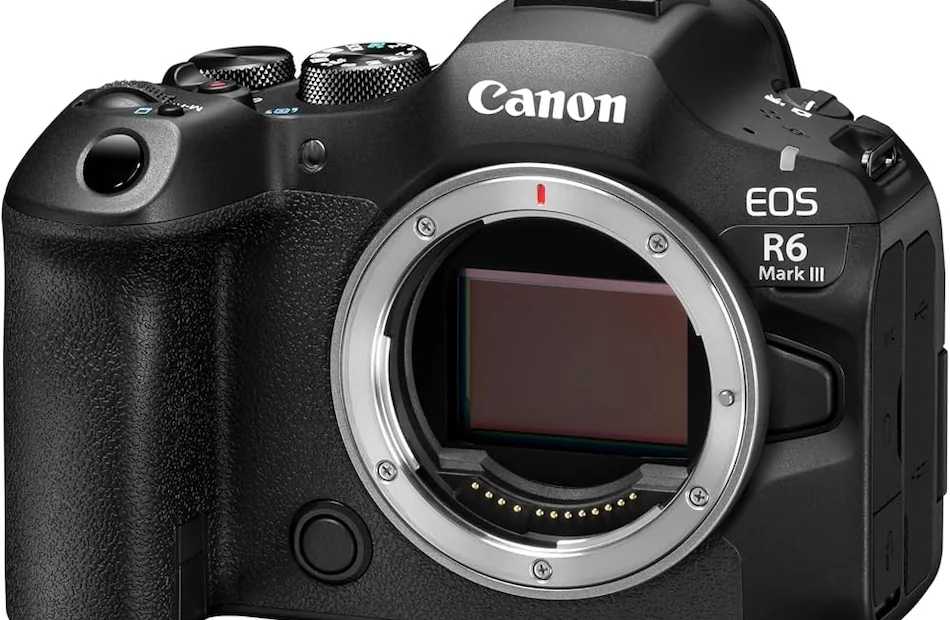
The mid-range full-frame camera market is a crowded space, but Canon has historically held a firm grip on it with the R6 series. These cameras have long been the choice for working wedding photographers, event shooters, and serious enthusiasts who need speed and reliability without the bulk or price tag of a flagship body. With the release of the Canon EOS R6 Mark III, the brand has focused heavily on speed, sensor readout, and video capabilities, pulling down high-end technology from their top-tier professional models.
This camera is not a minor cosmetic update. It represents a significant shift in how Canon structures its mid-tier line, prioritizing sensor speed and autofocus intelligence. Let us look at what makes this body stand out, where it excels in the field, and whether it justifies an upgrade from its predecessor.
The Sensor Upgrade: Back-Illuminated Stacked Architecture
The most important hardware change in this camera is the new 24.2-megapixel back-illuminated stacked CMOS sensor. While the resolution remains identical to the previous generation, the stacked design completely changes how the camera performs in real-world scenarios.
A stacked sensor places the image processing circuitry directly behind the pixel site, allowing for incredibly fast data readout speeds. This design choice targets two major pain points of modern mirrorless photography:
- Rolling Shutter Distortion: When panning quickly or tracking fast-moving subjects with the electronic shutter, straight vertical lines like light poles or golf clubs no longer bend. This makes the electronic shutter highly usable for fast action.
- Blackout-Free Shooting: The electronic viewfinder maintains a continuous, uninterrupted view of the scene during high-speed bursts, making it much easier to keep a erratic subject framed perfectly.
In low-light environments, such as a dimly lit reception hall or an indoor sports arena, the sensor performs exceptionally well. Noise is well-controlled up to ISO 12800, and the dynamic range allows for significant shadow recovery in high-contrast scenes without introducing ugly color casts or excessive digital grain.
Autofocus Powered by Deep Learning
Canon has integrated its latest deep-learning autofocus algorithms into this body, drawing heavily from the development of their flagship sports cameras. The autofocus system does not just track eyes and faces; it understands human movement and poses.
A practical example of this is the new action priority mode. When shooting sports like basketball, soccer, or volleyball, the camera analyzes the position of multiple players. It can predict where the ball is going and automatically shift the focus point to the player who is about to make a shot or receive a pass. During testing at a local basketball tournament, the system consistently ignored referee obstructions and stayed locked on the main player driving to the hoop.
Subject tracking has also been expanded to include more specific categories:
- Animals: Highly accurate eye tracking for dogs, cats, birds, and horses.
- Vehicles: Dedicated tracking for motorsports, including formula cars, motorcycles, trains, and airplanes.
- Register People Priority: You can pre-register specific faces into the camera memory. At a wedding, this allows the camera to prioritize the bride and groom even in a dense crowd of guests.
Customizing the Autofocus Behavior
To get the most out of this system, you will want to dive into the menus and customize the tracking sensitivity. For sports, setting the tracking sensitivity to locked-on prevents the focus from jumping to background elements. For erratic wildlife, a more responsive setting works best. The physical joystick on the rear of the camera remains the quickest way to override the system and select a starting point for the tracking algorithm.
Speed, Buffer, and Media Slots
With the stacked sensor comes incredible speed. The camera can shoot up to 40 frames per second using the electronic shutter with full autofocus and auto-exposure tracking. For those who prefer the tactile feedback and safety of a mechanical shutter, it still offers a respectable 12 frames per second.
To support these high speeds, Canon has updated the card slot configuration. Unlike the dual SD card slots of the previous model, this camera features one CFexpress Type B slot and one UHS-II SD card slot. This is a crucial change for professional workflows.
The CFexpress Type B card handles the massive data flow from high-speed bursts and high-bitrate video, clearing the buffer almost instantly. The SD card slot serves as an excellent, cost-effective option for simultaneous backup or overflow storage when shooting at more modest speeds.
A Serious Machine for Videographers
The video specifications make this camera a formidable tool for hybrid creators and dedicated videographers alike. It records oversampled 4K video up to 60 frames per second, utilizing the full width of the 6K sensor for incredible detail and sharpness.
For slow-motion work, the camera can capture 4K at 120 frames per second. While there is a slight crop at this high frame rate, the footage remains clean and matches the color profile of the standard speed footage perfectly. The inclusion of C-Log2 and C-Log3 profiles allows for extensive color grading, offering up to 15 stops of dynamic range when shooting in optimal conditions.
Thermal management has also seen an upgrade. The internal heat dissipation pathways have been redesigned, allowing for extended recording times without overheating. In a studio test environment at normal room temperature, the camera recorded continuous 4K 60p footage for over an hour without displaying any thermal warning indicators.
Ergonomics, Handling, and Build Quality
In the hand, the camera feels familiar yet refined. The grip is slightly deeper than its predecessor, providing a more secure hold when using heavy telephoto lenses. The button layout is intuitive, with the dedicated photo and video switch located on the left shoulder of the top plate, leaving the right side free for quick exposure adjustments.
The electronic viewfinder is bright and sharp, featuring a high refresh rate that virtually eliminates motion blur during fast panning. The fully articulating touchscreen LCD is crisp and responsive, making high-angle or low-angle compositions easy to manage.
Weather sealing is robust, matching the standards of the professional 5D series DSLRs of the past. It can handle light rain, dust, and humid environments without issue, though using weather-sealed L-series lenses is highly recommended to maintain this protection.
Evaluating the Upgrade Path
Whether this camera is the right choice depends heavily on your current gear setup:
If you are using an older DSLR, such as the 5D Mark IV or 6D Mark II, the jump in performance is monumental. The autofocus reliability, low-light performance, and speed will completely change how you work.
If you own the original R6, the upgrade is highly compelling. The step up to a stacked sensor, better video options, and the inclusion of a CFexpress slot resolves almost every minor limitation of that first-generation body.
If you currently shoot with the R6 Mark II, the decision is more nuanced. The image quality in terms of pure resolution is identical. However, if you find yourself limited by rolling shutter during action sports, or if you need high-bitrate video and faster buffer clearing times, the stacked sensor and CFexpress slot make the transition highly worthwhile.
This camera represents a mature, highly capable tool that does not compromise on speed or reliability. It handles demanding professional workloads with ease, making it one of the most versatile hybrid cameras available today.
Are you planning to make the transition to a stacked-sensor body for your work, or does your current camera still meet your daily needs? Let us discuss how these technical advancements impact your shooting style in the comments below.