Canon EOS R6 V review
The Canon EOS R6 lineup has always occupied a highly competitive space in the mirrorless market. It represents the sweet spot for wedding photographers, photojournalists, and serious enthusiasts who need professional-grade speed and autofocus without paying the premium price of a flagship body. With the release of the Canon EOS R6 V, Canon aims to solidify this position by introducing key technologies inherited from its high-end cinema and sports bodies.
This camera is not just a minor incremental update. It represents a significant shift in how Canon structures its mid-range lineup, offering a balanced blend of speed, resolution, and video capability. Let us look at how this camera performs in real-world scenarios and whether it deserves a place in your gear bag.
Design and Ergonomics: Familiar Comfort with Subtle Refinements
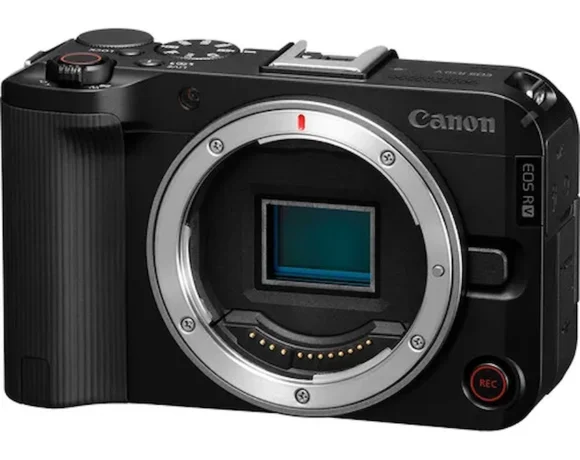
At first glance, the body of the EOS R6 V feels remarkably familiar to anyone who has handled a modern EOS R system camera. Canon has wisely avoided redesigning the wheel, keeping the deep, comfortable grip that makes handholding heavy telephoto lenses manageable during long shooting days.
However, several physical updates improve the overall handling experience:
- Upgraded Electronic Viewfinder: The EVF has received a substantial upgrade, now boasting a 5.76-million-dot OLED panel with a 120Hz refresh rate. This makes tracking fast-moving subjects feel incredibly smooth and natural, with virtually no perceptible lag.
- Textured Joystick: The rear joystick has been slightly textured for better tactile feedback, which is especially useful when wearing gloves during cold-weather outdoor shoots.
- Versatile Card Slots: The card slot configuration features one high-speed CFexpress Type B slot and one UHS-II SD slot. This is a pragmatic compromise that allows sports and video shooters to leverage the speed of CFexpress while keeping media costs reasonable for everyday shooters.
The weather sealing remains excellent, matching the standards of the professional 5-series bodies. During a rainy afternoon portrait session, the camera handled moisture without a single hiccup, giving peace of mind when working in unpredictable environments.
The New 30.2-Megapixel Sensor: The Resolution Sweet Spot
For years, photographers debated whether 24 megapixels was enough for modern professional work. The EOS R6 V addresses this by moving to a 30.2-megapixel back-illuminated stacked CMOS sensor. This resolution bump offers a noticeable advantage when you need to crop into a frame, yet it avoids the massive file sizes and storage demands of 45-megapixel or 60-megapixel sensors.
The stacked sensor design is the real star here. It dramatically reduces rolling shutter distortion, meaning you can use the electronic shutter for fast action without worrying about straight lines bending or fast-moving sports equipment warping in the frame.
In low-light environments, the sensor performs beautifully. Noise is exceptionally well-controlled up to ISO 6,400, and even files shot at ISO 12,800 remain highly usable with minimal color shifting. For wedding photographers working in dimly lit chapels or reception venues, this sensor provides the flexibility to shoot cleanly without relying heavily on flash.
Autofocus Performance: Next-Generation Subject Tracking
Canon has integrated its latest deep-learning autofocus algorithms into this body, and the results are immediately apparent. The autofocus system does not just look for eyes; it understands human anatomy, tracking bodies and heads even when a subject turns completely away from the camera or is temporarily obscured by obstacles.
During a local soccer match, the tracking locked onto a midfielder and held focus through a crowded penalty box. Even when other players crossed in front of the lens, the camera maintained its lock on the original subject.
Advanced Subject Detection Modes
The camera introduces specific tracking modes for a wide variety of subjects:
- Animals: This includes birds, horses, and domestic pets, with dedicated eye-detection that works even in low-contrast situations.
- Vehicles: With a focus on motorsports, trains, and aircraft, allowing the camera to prioritize the helmet of a driver or the cockpit of a plane.
- Custom Priority: This allows you to tell the camera exactly what type of subject to prioritize in a complex scene, preventing the focus from jumping to background elements.
Pre-Continuous Shooting Mode
A particularly useful feature for wildlife photographers is the pre-continuous shooting mode. When activated, the camera begins buffering images when you half-press the shutter button. When you fully press the button, the camera saves the previous half-second of action. This makes capturing a bird taking flight or a lightning bolt much easier, compensating for human reaction time.
In-Body Image Stabilization: Handheld Freedom
The in-body image stabilization system works in tandem with optically stabilized RF lenses to provide up to 8.5 stops of shake correction. In practice, this means you can confidently leave your tripod behind in many situations.
When shooting handheld in a dimly lit museum, it is entirely possible to get sharp, blur-free images at shutter speeds as slow as half a second when using a wide-angle lens. This capability opens up creative possibilities for capturing motion blur in water or crowds while keeping the stationary elements of the frame tack-sharp.
Video Capabilities: A True Hybrid Powerhouse
For content creators and videographers, the EOS R6 V is a highly capable tool that matches many dedicated cinema cameras in output quality. It records oversampled 4K video at up to 60 frames per second, derived from the full 6K sensor readout. This results in incredibly sharp footage with rich detail and minimal moiré.
Key video features include:
- High Frame Rates: 4K recording at 120 frames per second with a very minor crop, perfect for capturing smooth slow-motion sequences.
- Professional Color Profiles: Internal 10-bit 4:2:2 recording in Canon Log 3, providing ample dynamic range for color grading in post-production.
- Thermal Reliability: An improved thermal management system that utilizes a passive cooling design. This allows for extended recording times without the sudden overheating shutdowns that plagued earlier mirrorless generations.
The autofocus tracking during video is just as reliable as it is in stills mode. The transition between subjects is smooth and natural, mimicking the pull of a professional focus puller without hunting or overshoot.
Battery Life and Connectivity
The camera utilizes the familiar LP-E6P battery pack. While the increased processing power and high-resolution EVF do draw more power, the camera manages energy efficiently. You can expect to get around 450 shots per charge when using the EVF, and significantly more when relying on the rear LCD or shooting in high-speed burst modes.
For studio and event workflows, the connectivity options are robust. The camera features a full-sized HDMI port, eliminating the fragile micro-HDMI connections of the past. It also includes high-speed USB-C for tethering and charging, along with built-in dual-band Wi-Fi for quick image transfers to mobile devices or FTP servers.
Comparing the Options
To understand where this camera fits, it helps to compare it to its closest siblings in the Canon lineup:
- Compared to the EOS R5 series: The R6 V offers faster readout speeds and better low-light performance at a lower price point, though it lacks the extreme resolution needed for large-scale commercial printing.
- Compared to the older R6 Mark II: The R6 V provides a massive leap in autofocus stickiness, a significantly faster electronic shutter with reduced rolling shutter, and a more robust build quality with the addition of the CFexpress card slot.
Practical Tips for Getting the Most Out of the Camera
To unlock the full potential of this camera, consider these three operational adjustments:
- Prioritize the CFexpress Slot: Use the CFexpress slot for your primary card when shooting high-speed bursts or high-bitrate video. This prevents the buffer from clearing slowly, which can happen when relying solely on SD cards.
- Customize the Autofocus Menu: Adjusting the tracking sensitivity and acceleration parameters makes a dramatic difference when switching from slow-moving portraits to erratic sports.
- Assign Custom Buttons: Assign the depth-of-field preview button to toggle between subject tracking modes. This allows you to quickly switch from tracking a human to tracking an animal without diving into the main menu system.
An Investment in Reliability
The Canon EOS R6 V represents a highly refined tool that does not rely on flashy gimmicks to impress. Instead, it focuses on delivering consistent, reliable results in the most challenging shooting conditions. By combining a fast stacked sensor with class-leading autofocus and robust video features, Canon has created a highly versatile full-frame mirrorless camera that is built to work hard day in and day out.
If you are currently shooting with an older DSLR or a first-generation mirrorless body, the leap in autofocus capability and speed alone makes this a compelling upgrade. It is a camera that gets out of your way and lets you focus entirely on the creative process of making images.
Are you considering upgrading your current camera body, or does your current setup still meet all your needs? Let us know in the comments below, and tell us which feature of this new camera interests you the most.