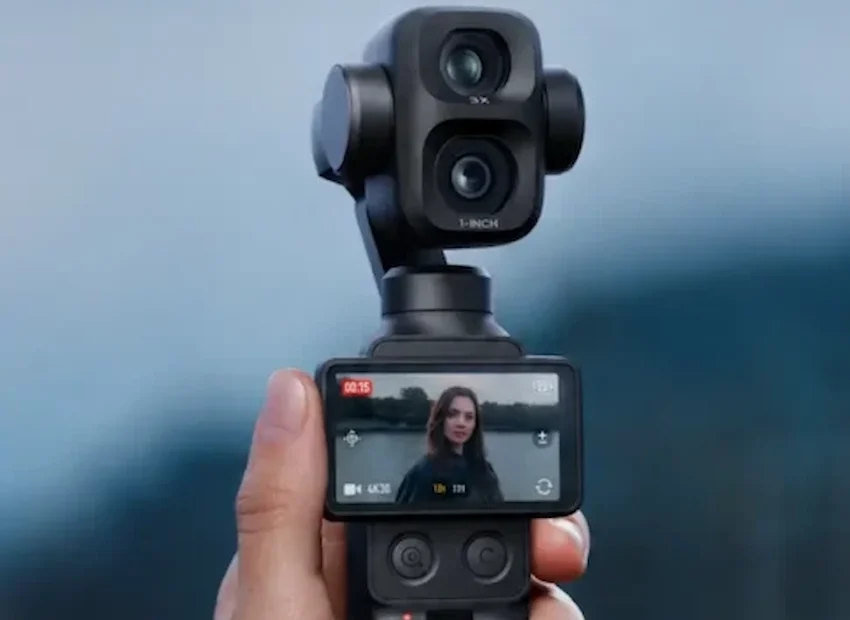
DJI Osmo Pocket 4 Pro review
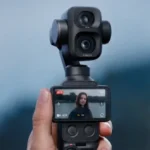
For years, pocket-sized gimbals sat in a strange category. They were too small to produce high-end commercial footage, yet too specialized for casual smartphone users who just wanted a quick clip for social media. With the arrival of the DJI Osmo Pocket 4 Pro, that divide has narrowed significantly. This device is no longer just a convenient tool for family vacations; it has evolved into a highly capable B-cam that fits in a jacket pocket.
As photographers and videographers, we look at gear through a specific lens. We care about dynamic range, color science, thermal limits, and how easily a tool integrates into a professional post-production workflow. After spending three weeks putting this compact system through its paces in challenging real-world environments, here is an honest, technical look at how it performs when the pressure is on.
The Sensor and Optical Performance
The heart of the system is a redesigned 1-inch CMOS sensor paired with a custom f/1.8 prime lens. While a 1-inch sensor might sound modest compared to the full-frame bodies we usually shoot with, the optimization here is impressive. DJI has improved the pixel design to capture more light, resulting in a noticeable jump in low-light performance over previous generations.
During a late-evening shoot in a dimly lit harbor, the camera managed shadow detail remarkably well. In the standard color profile, noise is kept to a minimum up to ISO 1600. If you push the camera to ISO 3200, fine grain becomes visible, but it behaves more like organic film grain rather than distracting digital chroma noise.
Color Science and Log Profiles
For serious video production, the inclusion of 10-bit D-Log M and HLG color profiles is where this tool shines. The D-Log M profile offers a flat image that preserves roughly 13 stops of dynamic range. This makes it incredibly easy to match footage with larger cinema cameras in post-production.
- 10-bit 4:2:2 Color: The ability to record internally at 10-bit 4:2:2 in H.265 at bitrates up to 150 Mbps ensures that gradations in the sky or subtle skin tones do not suffer from banding.
- HLG Support: For quick turnaround projects requiring high dynamic range without a heavy color grading session, the Hybrid Log-Gamma profile delivers punchy, ready-to-deliver files.
The lens equivalent focal length sits at roughly 20mm. This is wide enough for comfortable self-shooting without the perspective distortion often associated with ultra-wide action cameras. Sharpness is excellent in the center of the frame, with only a minor, acceptable loss of resolution at the extreme corners when shooting wide open at f/1.8.
Stabilization and Tracking in the Field
Mechanical stabilization is where this device holds a massive advantage over smartphones and action cameras using electronic image stabilization (EIS). EIS crops the sensor and often struggles in low light, creating a muddy, smeary look. The physical 3-axis gimbal on this unit keeps the entire sensor active, maintaining maximum image quality even during rapid movements.
In high-wind conditions on a coastal cliffside, the gimbal successfully counteracted gusts that would have ruined a handheld shot. The motors feel responsive and do not exhibit the micro-jitters that plagued earlier compact stabilizer designs.
ActiveTrack 7.0 Capabilities
The autofocus system uses a hybrid phase-detection and contrast-detection mechanism. Combined with the updated tracking algorithms, the camera locks onto subjects with remarkable speed.
During a test run through a crowded market, the tracking system kept a moving subject in sharp focus even when other people crossed the frame. The camera uses deep learning to recognize faces, bodies, and even specific objects. If the subject temporarily disappears behind an obstacle, the system estimates their trajectory and re-acquires focus almost instantly once they reappear.
Thermal Management and Battery Life
One of the biggest concerns with compact video gear is heat. High-bitrate 4K recording in a small chassis usually leads to thermal shutdown. To address this, the design features a passive cooling vent system that runs along the back of the handle.
During a continuous indoor test recording 4K at 60 frames per second in a room at room temperature, the unit ran for 45 minutes without shutting down. The body became warm to the touch, but the internal temperature remained within safe operating limits. For outdoor shoots under direct sunlight, you may experience shorter run times before the safety thermal limit kicks in, but it represents a vast improvement over older pocket cameras.
Power Delivery and Charging
The internal battery provides roughly 120 minutes of continuous 4K/30p recording. If you utilize the optional battery handle, which hot-swaps easily via the USB-C connection at the base, that run time extends by an additional 60 percent.
Charging is incredibly fast. Using a standard 30-watt PD charger, the battery goes from empty to eighty percent in under twenty minutes. This quick-charge capability is incredibly helpful for run-and-gun documentary filmmakers who only have brief moments to top up their gear between locations.
Physical Ergonomics and Interface
The physical interface revolves around a bright, rotatable 2.2-inch OLED touchscreen. Rotating the screen powers the unit on instantly, meaning you can go from pocketed to recording in under three seconds. This layout is perfect for capturing fleeting moments that would be lost while waiting for a larger camera body to boot up.
The touchscreen is highly responsive, even when damp. The menu system is intuitive, relying on simple swipes from the edges of the screen to access exposure settings, resolution options, and gimbal modes. A physical joystick on the handle allows for precise pan and tilt control, and its sensitivity can be customized in the system settings to suit your shooting style.
Audio Integration and Wireless Connectivity
Good video is nothing without clean audio. The built-in three-microphone array does a respectable job of capturing ambient sound and features wind-reduction algorithms that work well in light breezes. However, for professional work, you will want to utilize the built-in receiver.
The unit pairs directly with the latest digital wireless transmitters without requiring an external receiver module plugged into the USB-C port. This keeps the physical footprint incredibly clean. You can clip a transmitter to your subject, turn on the camera, and immediately begin recording high-quality 32-bit float audio directly synced to your video file.
Strengths and Weaknesses
Every tool is a series of compromises. To help you decide if this fits into your gear bag, here is a straightforward breakdown of its performance characteristics.
Where It Excels
- Portability: It fits into a small pocket, making it the ultimate tool for location scouting and spontaneous b-roll.
- Log Workflow: The 10-bit D-Log M profile matches seamlessly with professional cinema files.
- Physical Stabilization: Smooth movement without the low-light artifacts or sensor cropping of electronic stabilization.
- Fast Startup: The rotatable screen power switch ensures you rarely miss a shot.
Where It Falls Short
- Fixed Focal Length: The 20mm lens is versatile, but you cannot zoom optically, forcing you to rely on digital cropping if you need a tighter frame.
- Weather Sealing: Because of the moving parts of the gimbal and the cooling vents, the unit is not weather-sealed and requires careful handling in heavy rain or dusty environments.
- Low-Light Limits: While the 1-inch sensor is excellent for its size, it cannot compete with a full-frame sensor at ISO 6400 and above.
The Verdict for Creative Professionals
The DJI Osmo Pocket 4 Pro proves that a camera does not need to be heavy to be professional. It successfully moves past the hobbyist label by offering robust color profiles, reliable tracking, and a physical design that respects the speed of a professional shoot. It won’t replace your primary mirrorless or cinema camera for high-end commercial work, but it is an exceptional tool for capturing high-quality b-roll, conducting quick interviews, or documenting behind-the-scenes content without drawing attention to yourself.
If you are looking to lighten your load on long shoot days without sacrificing the dynamic range and grading flexibility you are used to, this compact powerhouse deserves a spot in your kit. Have you started integrating compact gimbals into your professional workflow, or do you still prefer the control of a traditional mirrorless setup? Let us know your thoughts and how you would use this tool in the field.