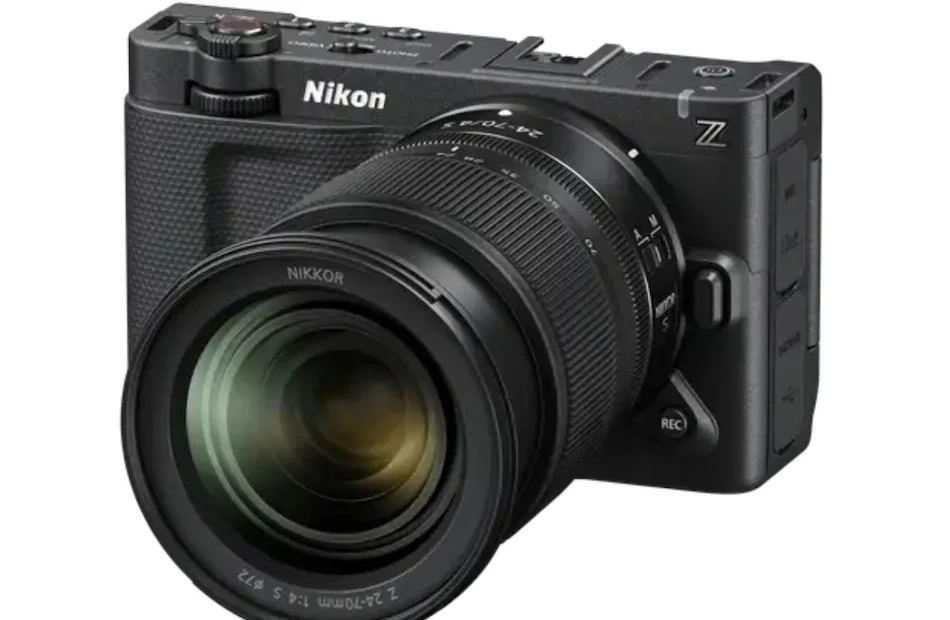
Nikon ZR Cinema Camera review
For years, film crews and commercial videographers looked to other ecosystems when they needed a dedicated production camera. While Nikon made incredible strides with the video capabilities of the Z8 and Z9, those hybrid bodies still required significant rigging to survive a demanding set. The arrival of the Nikon ZR changes the landscape entirely. This is not a mirrorless camera stuffed into a slightly larger body; it is a ground-up, dedicated cinema system that leverages the massive Z-mount and incorporates engineering cues from Nikon’s recent cinema industry acquisitions.
Having spent three weeks putting the Nikon ZR through its paces on a commercial shoot and a low-light documentary project, the practical realities of this camera are clear. It represents a major shift in how we view Nikon’s color, workflow, and hardware design.
A Dedicated Cinema Form Factor
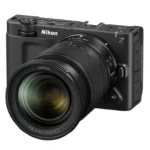
The first thing you notice when picking up the ZR is its box-style industrial design. Nikon has abandoned the traditional DSLR-style grip in favor of a modular, cube-like magnesium alloy chassis. This design makes rigging incredibly simple. The body is covered in quarter-inch and three-eighths-inch threaded mounting points, eliminating the need for an external cage just to mount a monitor, wireless transmitter, or side handle.
Internal cooling is managed by an incredibly quiet fan system. Even when recording continuous 8K footage in a warm studio environment, the fan noise remains below the threshold of sensitive directional microphones placed just feet away. The air intake and exhaust vents are completely sealed off from the internal electronics, preserving the robust weatherproofing that Nikon is famous for.
Physical Controls and Port Selection
Instead of navigating deep menus to change basic shooting parameters, the left side of the camera features an array of physical buttons dedicated to shutter angle, ISO, white balance, and ND filters. The integrated electronic variable ND filter is one of the best implementations on the market, offering seamless adjustment from two to eight stops without any noticeable color shifting or polarization artifacts.
The port selection shows that Nikon listened closely to working professionals. You will find:
- Full-size HDMI for easy monitoring on consumer displays or budget transmitters.
- Dual 12G-SDI ports for reliable, locking connections to high-end production monitors and wireless systems.
- Two XLR inputs with physical gain dials, eliminating the need for external audio preamps.
- Dedicated Timecode and Genlock ports for seamless multi-camera synchronization on larger sets.
The Sensor and Color Science
At the heart of the Nikon ZR is a 45-megapixel stacked CMOS sensor, optimized specifically for video readout. Unlike hybrid sensors that prioritize still image processing, this sensor is tuned to minimize rolling shutter to almost imperceptible levels. Panning quickly across vertical lines reveals virtually zero skew, which is a massive win for action sports and fast-paced documentary work.
The color science is where the influence of modern cinema engineering shines through. Nikon has introduced a new log profile alongside their standard N-Log, designed to roll off highlights in a much more organic, film-like manner. Skin tones look rich and natural right out of the camera, avoiding the slightly yellow or green cast that sometimes plagued older digital sensors.
Dynamic Range and Low-Light Performance
In real-world testing, the dynamic range is impressive. Shooting a high-contrast scene with a subject seated next to a bright window revealed excellent retention of detail in both the deep shadows of the room and the bright sky outside. The highlight roll-off behaves predictably, allowing you to expose for the shadows without fear of harsh, digital clipping in the highlights.
The camera features a dual-native ISO system. The base sensitivity sits at ISO 800 for maximum dynamic range in well-lit environments, while the second native step kicks in at ISO 4000. This second step is incredibly clean. Shooting in a dimly lit workshop with only a single ambient light source produced footage with minimal chroma noise, and the grain structure felt organic rather than blocky and digital.
Autofocus in a Professional Production Environment
Cinema purists often dismiss autofocus, but the hybrid phase-detection system in the ZR might change some minds. It uses the same deep-learning algorithms found in the Z9 but tunes them for cinematic transitions. Instead of snapping instantly to a subject, you can customize the transition speed to create smooth, natural rack focuses that look hand-pulled.
During a tracking shot of a runner moving through a forest, the subject-tracking locked onto the runner’s eyes and held focus through foreground obstructions like branches and leaves. For solo operators or small crews working without a dedicated focus puller, this system is a massive safety net that saves time and prevents ruined takes.
Recording Formats and Media Workflow
The ZR records internally to dual CFexpress Type B cards. This choice keeps media costs manageable compared to proprietary cinema drives while providing the speed necessary for high-bitrate recording. The camera supports several robust codecs directly to the cards:
- N-RAW (12-bit) up to 8K at 60 frames per second, offering maximum flexibility in post-production.
- ProRes RAW HQ for seamless integration into industry-standard editing suites.
- ProRes 422 HQ (10-bit) for fast-turnaround projects that require minimal color grading.
Working with the N-RAW files in post-production is surprisingly smooth. The compression is efficient enough that a modern editing laptop can playback 8K footage without needing to generate proxies first. The latitude in grading is immense; you can easily rescue underexposed footage or shift the white balance by thousands of Kelvins without the image falling apart.
Power Management and Battery Options
Powering a cinema camera is always a logistical challenge. Nikon has solved this by offering a dual-method battery plate on the rear of the camera. It accepts standard high-capacity mirrorless batteries for lightweight, handheld configurations, but also features a native V-mount plate for longer production days.
Using a standard 98Wh V-mount battery, the camera ran continuously for over four hours while powering both the internal fan and a small external monitor. This level of efficiency means you can easily get through a standard shoot day with just three or four batteries, reducing the weight and complexity of your gear kit.
A Serious Tool for Serious Filmmakers
The Nikon ZR is a highly capable camera that bridges the gap between mirrorless flexibility and high-end cinema production. It addresses the practical needs of camera operators who require reliable monitoring, robust audio inputs, and dependable thermal management without the bulk of a traditional cinema rig.
While the investment is significant, the lack of hidden costs—like needing to buy expensive external monitors or audio modules just to make the camera usable—makes it an attractive option for production houses and independent filmmakers alike. Nikon has created a camera that respects the operational habits of professional crews while delivering some of the most pleasing images currently available in digital cinema.
If you have been waiting to see how Nikon would leverage its optical heritage and recent technology acquisitions in the cinema space, this camera is the answer. It is a mature, stable, and incredibly satisfying tool to use on set.
How does the shift toward modular box cameras affect your current production workflow? Let us know in the comments below, and tell us which lenses you would pair with this system for your next project.