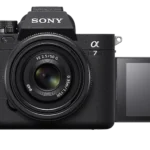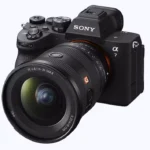
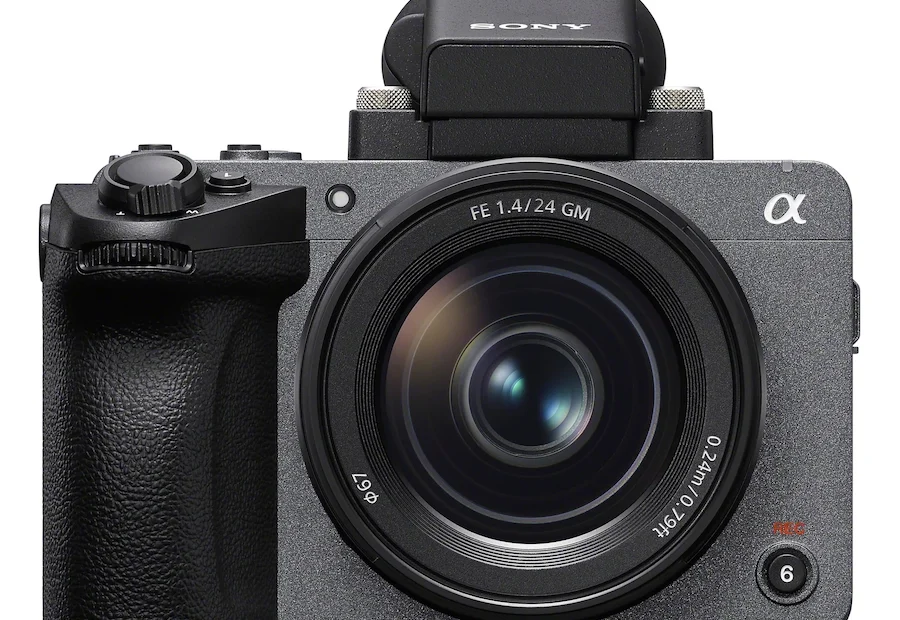
Sony FX5 camera Review
For years, filmmakers shopping Sony’s Cinema Line faced an awkward choice. The FX3 offered a small, gimbal-friendly body but skipped some of the physical controls professionals rely on. The FX6 gave you a production-ready form factor and a built-in variable ND filter, but at a heavier, bulkier price. The Sony FX5 sits deliberately between the two, borrowing the sensor and low-light strength of Sony’s mirrorless line and wrapping it in a body built for actual video crews. It’s not trying to be everything to everyone, and that focus is exactly what makes it work.
Sensor & Image Quality
The FX5 uses the same full-frame back-illuminated sensor architecture found in Sony’s a7S III, and that pedigree shows immediately. This is not a resolution monster, and that’s the point. It’s built for light sensitivity and dynamic range rather than pixel-peeping detail, which is exactly the trade-off documentary shooters, narrative crews, and event filmmakers want.
The sensor runs a dual-base ISO design, with a low base around ISO 800 and a second native ISO around 12,800 when shooting in S-Log3. That means you can move from a sunlit exterior to a dimly lit interior without a wall of noise creeping into your shadows. Grain at the higher base stays fine and organic rather than blocky, which matters enormously when you’re grading footage from a run-and-gun shoot.
- Dynamic range: Sony rates the FX5 at 15+ stops in S-Log3, and in real grading sessions you can consistently recover highlight and shadow detail that would have clipped on older cameras.
- Color science: S-Cinetone is the quiet hero of this camera. Skin tones look natural straight out of the box, which is a genuine time-saver on projects with quick turnarounds.
- Low-light performance: This is the FX5’s party trick. Usable, grade-ready footage at the higher native ISO with minimal noise reduction smearing is rare at this price point.
The trade-off is obvious if you’re coming from a high-resolution stills camera: you can’t crop aggressively or expect billboard-level detail from these files. For video-first work, that limitation rarely matters in practice.
Internal RAW & Codecs
This is a category where it pays to know exactly what you’re buying. The FX5 does not record RAW internally. Instead, it can output RAW over HDMI to a compatible external recorder, giving you a RAW workflow without needing a cinema camera’s internal storage architecture built in. If you’re expecting RAW straight to the card in the body, that’s not how this camera works, so budget for an external recorder if RAW is non-negotiable for your pipeline.
Internally, you’re working with 10-bit 4:2:2 recording across intra-frame and long-GOP options, which is plenty for professional grading:
- All-Intra codecs for higher bitrate, lower compression jobs like commercial and narrative work.
- Long-GOP options when card space or storage budget is tight, and which still hold up well under moderate grading.
- High frame rate 4K recording internally, covering most slow-motion needs without reaching for an external recorder.
- External RAW for productions that need maximum flexibility in post, at the cost of extra rig complexity and cost.
For most wedding filmmakers, corporate crews, and solo operators, a well-implemented 10-bit 4:2:2 codec is more valuable day-to-day than RAW that fills a card in minutes. The best codec is the one that lets you finish the job without creating a post-production headache, and the FX5’s internal options are strong enough that many shooters never bother with the external recorder at all.
Autofocus & Stabilisation
Autofocus is arguably the FX5’s most underrated strength. It borrows real-time Eye AF and real-time tracking from Sony’s mirrorless stills lineup, and it is shockingly reliable for video work. Solo shooters can set focus tracking on a subject’s eye, step away from the monitor, and trust the camera to hold through head turns, hand gestures crossing the frame, and people standing up or sitting back down.
- Face and eye detection stays reliable even at wide apertures like f/1.8, where the margin for error is thin.
- Touch tracking on the articulating screen lets you reassign focus mid-shot without a follow-focus rig.
- Customisable transition speed and sensitivity let you program slow, natural-looking pulls that mimic a human focus puller.
Where it stumbles a little is in cluttered scenes with multiple moving subjects. The camera can hunt briefly when tracking priority is ambiguous. Not a dealbreaker, but worth knowing before you rely on it for a chaotic event shoot.
Stabilisation is handled through in-body image stabilisation working alongside optical stabilisation in compatible lenses. Active Mode applies a slight crop but smooths out walking steps and micro-jitters convincingly. The camera also records gyro metadata, which you can use in post to stabilise footage further for smoother, crane-like results. None of this replaces a gimbal or a tripod for long tracking shots or locked framing, but for handheld walk-and-talk coverage it does a lot of the heavy lifting on its own.
Design, Ergonomics & Menus
Physically, the FX5 looks and feels like a broadcast camera shrunk down, and that’s clearly intentional. The deep handgrip, the removable top handle with built-in audio inputs, and the active cooling system all signal a camera designed for actual production crews rather than enthusiasts chasing a cinema look. One of the biggest upgrades is the new detachable OLED electronic viewfinder (EVF). It is incredibly sharp and a lifesaver for shooting in bright daylight. However, the included rubber eyecup is quite stiff. If you wear glasses, it can feel a bit uncomfortable and may require an aftermarket cushion. Dedicated assignable buttons scattered around the body for functions like white balance, peaking, zebras, and shutter angle. The layout is highly intuitive, featuring a dedicated physical False Color button that allows you to instantly check exposure across your image without digging through menus.
The 3.5-inch LCD monitor is excellent. Instead of the standard side-flip screen that can get blocked by cables, the FX5 uses a 4-axis tilting mechanism. The biggest quality-of-life improvement is the completely redesigned menu system. Sony has ditched the standard Alpha mirrorless menu layout. Instead, the FX5 borrows the clean, professional architecture of high-end cinema cameras like the Venice and Burano. The menus feature a high-contrast, black-and-gold aesthetic. They place critical filmmaking metrics—like shutter angle, base ISO tier, and clip naming schemas—right on the main dashboard screen. Thanks to the upgraded BIONZ XR2 processor, navigation is instantaneous, with zero lag when swapping between frame rates or monitoring modes.
Audio & Power
Audio is a category where the FX5 quietly outperforms most hybrid cameras. The included top handle carries dual XLR/TRS combo inputs with phantom power and physical level dials, along with a built-in stereo microphone. That means no diving into menus mid-shoot to adjust gain, and no need for an external preamp when running a shotgun mic or a wireless receiver straight into the body.
Power comes from Sony’s NP-FZ100 battery, shared with several mirrorless models, so if you already own Sony gear you likely have spares sitting in a drawer. Battery life varies with codec and screen brightness, but expect a few hours of mixed recording per battery on a typical shoot day. For longer sessions, the camera supports continuous power over USB-C, and a V-mount adapter plate is available for all-day documentary or event work.
Conclusion
The Sony FX5 isn’t trying to be everything to everyone, and that focus is exactly what makes it good. You give up resolution and internal RAW flexibility, but you gain low-light performance, dependable autofocus, and ergonomics that respect how real productions actually run. For documentary shooters, indie filmmakers, and hybrid photo-video professionals who need dependable cinematic images without a full cinema camera budget, it remains one of the smartest picks in Sony’s current lineup.
If your work leans on low-light interviews, run-and-gun documentary footage, or narrative work where skin tones and dynamic range matter more than megapixels, the FX5 earns its keep. If you need high-resolution stills alongside video, or built-in ND filtration for constant outdoor exposure changes, look elsewhere in Sony’s range.