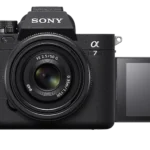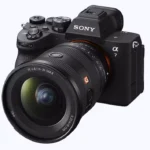
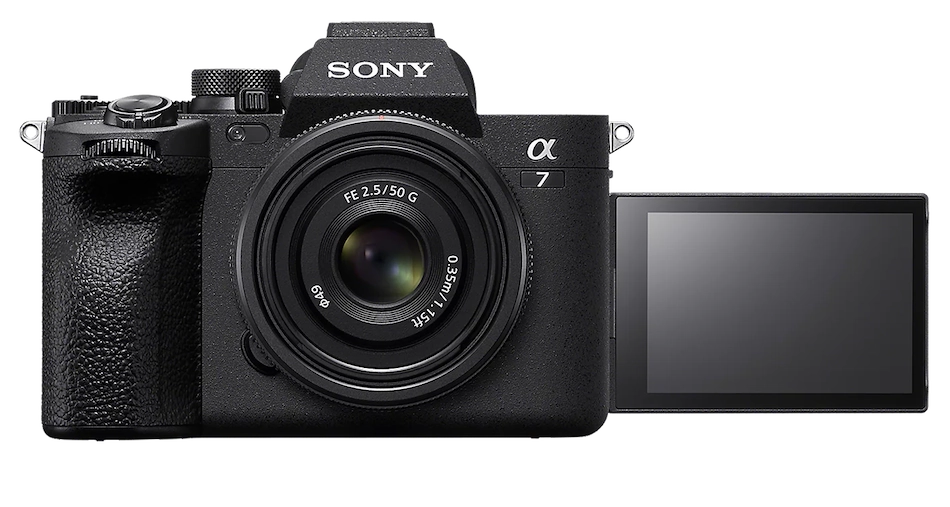
Sony a7 IV review
When Sony released the a7 III back in 2018, it set a benchmark for what a baseline full-frame mirrorless camera should be. It was the tool that convinced thousands of working professionals to pack up their heavy DSLRs and make the switch to mirrorless. But time moves quickly in the camera industry, and the expectations of modern visual creators have shifted. We no longer just shoot stills or occasionally dabble in video; we are expected to deliver high-end imagery and broadcast-quality video simultaneously.
Enter the Sony a7 IV. Sony designed this camera to step out of the entry-level shadow of its predecessor and establish itself as a true, high-performance hybrid machine. After putting this body through its paces in real-world professional environments—ranging from fast-paced event coverage to controlled studio portrait sessions—here is an honest, field-tested assessment of how it performs when your paycheck depends on it.
The Sensor: Stepping Up to 33 Megapixels
For years, 24 megapixels was the standard resolution for all-rounder full-frame cameras. The Sony a7 IV breaks away from this tradition by introducing a newly developed 33-megapixel backside-illuminated CMOS sensor.
This resolution bump is highly practical in daily workflow. The extra detail gives you the freedom to crop in during post-processing without sacrificing the ability to print large-format physical media. If you are shooting a fast-moving event with a prime lens, having the ability to crop into a tight portrait while maintaining a clean, high-resolution file is incredibly valuable.
Dynamic range remains excellent. Even when shooting high-contrast scenes like a backlit bride and groom against a bright window, the raw files contain an immense amount of shadow and highlight data. You can easily pull details out of the dark areas of the image without introducing distracting color noise, provided you keep your ISO settings within a reasonable range.
Low-Light Performance and Color Science
One common worry with increased pixel density is a drop in low-light performance. Fortunately, the BIONZ XR processor mitigates this risk. Up to ISO 6400, images are remarkably clean. Noise does become visible at ISO 12800 and above, but it presents as a fine, grain-like pattern that is easily managed with modern noise-reduction software.
More importantly, Sony has made significant updates to its color science. Older Sony bodies had a reputation for rendering slightly yellow or greenish skin tones. The a7 IV produces much more natural, pleasing skin tones straight out of the camera, requiring far less color correction during post-production. The default color rendering leans toward neutral with a pleasing warmth, which is a massive time-saver for portrait and wedding photographers.
Autofocus: The Standard for Reliability
If there is one area where Sony consistently leads the industry, it is autofocus technology. The a7 IV inherits tracking algorithms from the flagship Sony a1, and the real-world performance is nothing short of stellar. The camera features 759 phase-detection points covering approximately 94 percent of the image area.
The real-time tracking is remarkably sticky. Once you lock onto a subject, the camera holds onto it tenaciously, even if the person turns their back, walks behind an obstacle, or moves erratically.
- Human Eye AF: Fast, accurate, and works even when the subject is wearing glasses or a hat.
- Animal and Bird Eye AF: Now available for both still photography and video recording, which is incredibly useful for wildlife enthusiasts.
- Focus Map: A unique visual aid for video shooters that overlays colored blocks on the screen to show what is in front of and behind the depth of field.
During a recent fast-paced lifestyle shoot involving active children and pets, the autofocus hit rate was nearly perfect. You can simply compose your shot, trust the system to maintain critical focus on the eye, and concentrate entirely on the timing of your exposure.
Ergonomics, Menus, and Handling
The physical body of the a7 IV has received several highly requested upgrades over the older generation. The grip is deeper and more substantial, making it much more comfortable to hold for long, eight-hour shoot days, especially when pairing the camera with heavy professional zoom lenses like a 70-200mm f/2.8.
Perhaps the most celebrated physical change is the introduction of a dual-layer mode dial. The bottom ring allows you to switch instantly between Stills, Movie, and Slow and Quick modes, while the top dial controls your exposure mode. This is a massive benefit for hybrid creators. Switching from photo to video mode changes your custom buttons, exposure settings, and menu options to match your video preferences, allowing you to transition between mediums in less than a second.
The New Menu System
The old, confusing horizontal menu system of older Sony cameras has been replaced with the new vertical, color-coded, touch-responsive menu. It is intuitive, easy to navigate, and fully customizable. You can use the touch screen to select menu items, which makes setting up the camera far less frustrating than it used to be.
The rear LCD screen is now a fully articulating, side-opening vari-angle monitor. This is highly beneficial for vertical shooting at low angles, self-recording, and overhead shots, though some traditional landscape photographers may still prefer a simple tilting screen that stays in line with the optical axis of the lens.
Video Capabilities: A True Hybrid Tool
For videographers, the a7 IV represents a massive leap forward. It can record 10-bit 4:2:2 video internally, which provides a massive amount of color information for grading in post-production. If you shoot in S-Log3, the 10-bit color depth prevents the ugly color banding in skies and smooth gradients that plagued older 8-bit cameras.
The camera offers two primary video recording modes:
- 4K at up to 30p: Oversampled from the full 7K resolution of the sensor, resulting in incredibly sharp, detailed footage with no crop.
- 4K at 60p: This mode requires a 1.5x Super35 crop. While the footage remains incredibly sharp, the crop factor makes it harder to get wide-angle shots, requiring you to swap lenses or plan your framing carefully.
Heat dissipation has also been improved. While the camera does not have an internal fan like some cinema-focused bodies, it handles heat remarkably well. During a continuous indoor interview shoot at 4K 24p, the camera ran for over an hour without displaying a temperature warning, especially with the auto-shutdown temperature threshold set to high.
Real-World Compromises
No camera is perfect, and the Sony a7 IV does make a few compromises that you should be aware of before making an investment.
First, the rolling shutter effect is quite noticeable in full-frame 4K video mode. If you pan the camera rapidly from side to side, or if a fast-moving object passes through your frame, vertical lines will appear to bend or lean. If you shoot fast action sports or rapid whip-pans, you will need to switch to the Super35 crop mode to minimize this effect.
Second, the electronic viewfinder, while sharp enough at 3.68 million dots, drops in resolution when using the higher 120 frames-per-second refresh rate. It is a minor annoyance, but one that is noticeable when trying to track fast movement through the finder.
Finally, the continuous shooting speed is limited. While the camera can shoot at 10 frames per second, it can only do so when shooting compressed raw files. If you want uncompressed or lossless compressed raw files for maximum image quality, the burst rate drops to around 6 frames per second. For dedicated sports and action photographers, this might feel a bit sluggish.
An Ideal Tool for the Modern Creator
The Sony a7 IV is no longer a budget entry point into full-frame photography. Instead, it is a highly capable, dependable workhorse designed for professionals who need to deliver high-quality results across both stills and motion. It bridges the gap between the photography-focused a7R series and the video-centric a7S series, offering a balanced combination of features that will satisfy the vast majority of working creatives.
With its class-leading autofocus, robust 33-megapixel files, excellent 10-bit video options, and vastly improved ergonomics, it represents one of the most versatile tools currently available on the market.
Are you planning to upgrade your current setup to the Sony a7 IV, or are you looking at other options in this price bracket? Let us know your thoughts in the comments below, and tell us which feature matters most to your specific style of shooting.