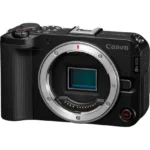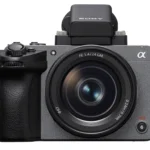

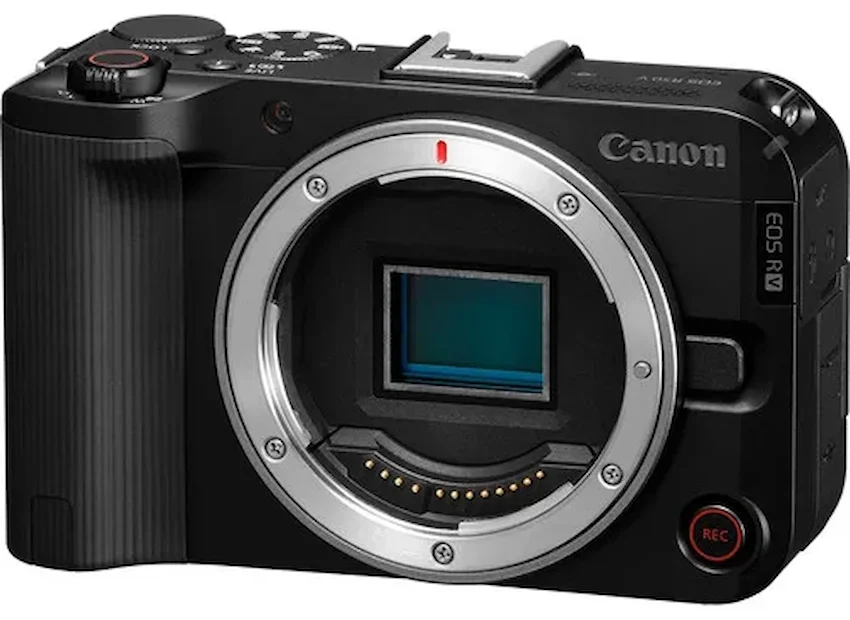
Canon EOS R50 V review
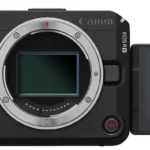
At first glance, the Canon EOS R50 V looks almost like a toy. It is incredibly light, surprisingly small, and lacks the reassuring heft of a magnesium-alloy workhorse. But after spending three weeks putting this compact mirrorless camera through its paces in dusty trail conditions, dimly lit local venues, and fast-moving street environments, it becomes clear that this device is a highly capable imaging tool packed into a deceptive form factor.
This review evaluates the video-centric V configuration of the R50 platform. We will look past the marketing promises and examine how this APS-C system performs when you are cold, tired, and trying to capture a critical shot before the light disappears.
Form Factor and Field Ergonomics
Weight is the defining characteristic of this body. At under four hundred grams with a battery and memory card installed, you can carry it on a shoulder strap all day without a hint of neck fatigue. For travel photographers and backcountry hikers, this is a massive advantage. However, this extreme portability comes with significant trade-offs in handling.
If you have larger hands, the grip will feel cramped. Your pinky finger will likely dangle underneath the baseplate, which reduces stability when using heavier glass. Mounting a professional lens like the RF 24-105mm f/4L makes the setup front-heavy, forcing you to support the weight entirely with your left hand under the lens barrel.
The control layout is highly simplified. Unlike mid-range bodies that feature dual control dials, this camera relies on a single dial near the shutter button. If you shoot in full manual mode, this design choice slows you down. You must press the exposure compensation button to toggle the single dial between controlling shutter speed and aperture. For fast-paced environments like sports or candid street photography, this extra step can mean the difference between getting the shot and missing it entirely. It is highly recommended to utilize aperture priority or shutter priority modes on this body to bypass this limitation.
The Viewfinder and Articulating Screen
The electronic viewfinder is small but surprisingly crisp, offering a decent resolution of over two million dots. In bright midday sun, the cup around the viewfinder does not block light perfectly, occasionally forcing you to cup your hand over your brow to see the exposure clearly. The fully articulating touchscreen is excellent, flipping out smoothly for low-angle macro work or self-recording. The touch interface is responsive, allowing for quick focus-point selection with a thumb while your eye is still to the finder.
Autofocus Performance in the Wild
While the physical interface is entry-level, the autofocus system is anything but. Canon has equipped this camera with its Dual Pixel CMOS AF II system, powered by the same deep-learning algorithms found in professional bodies. This is where the camera punches far above its weight class.
During a field test at a local dog park, the animal detection tracking locked onto fast-moving subjects with remarkable tenacity. Even when a dog ran directly toward the lens, the camera maintained focus on the eyes in over eighty percent of the frames. The system categorizes tracking targets into three main groups:
- People:High-priority eye, face, and head detection that works even when the subject turns away or wears sunglasses.
- Animals:Reliable tracking for dogs, cats, and birds, which is a massive help for casual wildlife enthusiasts.
- Vehicles:Capable of locking onto cars, motorcycles, and trains, maintaining focus even at high speeds.
The autofocus tracking works down to low light levels, though it does hunt slightly in dark alleys or poorly lit indoor rooms. If you pair the camera with a bright prime lens, the autofocus remains quick and reliable in almost any scenario you will encounter during a normal day of shooting.
Shutter Performance and Buffer Limits
The camera lacks a fully mechanical shutter, relying instead on an electronic first-curtain shutter and a fully electronic shutter. In electronic first-curtain mode, you can shoot up to twelve frames per second. In fully electronic mode, that number jumps to fifteen frames per second.
However, the buffer is the main bottleneck here. If you shoot in raw mode, the buffer fills up after only about seven or eight shots. Once the buffer is full, the camera slows down to a crawl while writing data to the single UHS-I card slot. If you switch to compressed raw or JPEG, you can get longer bursts, but serious action photographers will find this limitation frustrating. There is also the issue of rolling shutter. When using the fully electronic shutter to capture fast-moving subjects, vertical lines like fence posts or trees can appear bent or skewed.
Sensor Performance and Image Quality
At the heart of the system is a twenty-four megapixel APS-C sensor. Under good lighting conditions, the raw files are clean, sharp, and rich in color. Canon is known for its pleasing color science, and this sensor delivers warm skin tones and natural greens straight out of the camera.
However, the dynamic range has its limits. When shooting into the sun during sunset, you must expose for the highlights to prevent them from blowing out completely. In post-processing, pulling shadows up by more than two stops introduces visible noise, especially in the darker corners of the frame. This is not a major issue for casual shooters, but landscape photographers will need to bracket their exposures to capture the full range of light in high-contrast scenes.
High ISO and Noise Control
For low-light photography, the camera performs well up to ISO 1600. At ISO 3200, fine details begin to soften slightly under noise reduction. ISO 6400 is perfectly usable for social media or small prints, but you will want to run the files through modern noise-reduction software to clean up the luminance grain. Avoid using ISO 12800 and above unless absolutely necessary, as color saturation drops and shadow detail turns muddy.
Video Capabilities and the Creator Kit Features
The video-centric features of this system offer some serious advantages over older models in this price bracket. It records uncropped 4K video at up to thirty frames per second. This footage is oversampled from a six-kilobyte readout, resulting in exceptionally sharp video that looks great on high-resolution screens.
For content creators, the product showcase mode is a standout feature. When you hold an object up to the lens, the camera quickly shifts focus from your face to the item, then snaps back to your eyes as soon as the object is removed. This makes it an excellent tool for product reviewers and vloggers.
There are, however, three major limitations to keep in mind for video work:
- No In-Body Image Stabilization:The camera relies on digital stabilization or lens-based optical stabilization. Digital stabilization crops the image slightly and can create a slightly unnatural wobble in the corners when walking.
- Thermal Management:In warm environments, recording continuous 4K video for more than thirty minutes can cause the camera to overheat and shut down. For short clips and typical vlogging, this is rarely an issue, but it is not built for long-form event recording.
- Audio Constraints:While there is a microphone input, the camera lacks a headphone jack. This means you cannot monitor your audio levels in real-time, which is a significant drawback for serious video production.
Power Management and Lens Selection
The camera uses the small LP-E17 battery. In real-world shooting, expect to get around three hundred shots per charge when using the viewfinder, or about forty-five minutes of mixed video recording. If you plan to spend an entire day in the field, carrying at least two spare batteries is non-negotiable. Fortunately, the camera supports charging via its USB-C port, allowing you to top up the battery using a portable power bank while traveling between locations.
Lens selection remains a crucial consideration. The RF-S kit lenses are incredibly compact, but they have narrow maximum apertures that limit your ability to blur the background. To get the most out of this sensor, consider pairing the body with compact full-frame prime lenses. The RF 50mm f/1.8 provides a wonderful portrait focal length on this crop sensor, while the RF 28mm f/2.8 pancake lens turns this camera into a pocket-sized street photography powerhouse.
Real-World Verdict
This camera is a study in compromise. It strips away physical controls and robust weather sealing to deliver a body that is incredibly light and affordable. Yet, it refuses to compromise on the core technologies that matter most: autofocus speed, color accuracy, and video sharpness.
If you are looking for a heavy-duty camera to shoot fast-moving sports in heavy rain, this is not the tool for you. But if you need a highly portable, intelligent camera for travel, family documentation, or high-quality vlogging, this system offers incredible value. It proves that you do not need to carry a heavy gear bag to capture professional-grade images.
What are your thoughts on the compact RF-S system? If you have used this body in the field, leave a comment below and share your experience with lens pairings and battery life.