Best mirrorless cameras in 2026
Mirrorless cameras have completely taken over. Whether you’re a working professional, a dedicated hobbyist, or someone who just wants the best possible image quality without lugging around a DSLR the size of a small brick, the mirrorless market in 2026 has something genuinely exciting for you. The competition between manufacturers has never been fiercer, which is great news for your wallet and your creative work.
This guide covers the best mirrorless cameras available right now across different budgets and shooting styles. We’ve focused on real-world performance — how they actually feel to shoot with, not just what the spec sheets say.
What to Look for in a Mirrorless Camera
Before diving into specific models, it’s worth being clear about what actually matters when you’re choosing a mirrorless camera in 2026.
- Sensor size: Full-frame gives you the most flexibility in low light and depth of field control. APS-C and Micro Four Thirds are smaller, lighter, and often significantly cheaper — and the image quality gap has narrowed considerably.
- Autofocus system: Subject tracking using AI-assisted detection (eyes, faces, animals, vehicles) is now standard across most mid-range and high-end bodies. Look for consistency, not just speed.
- Video capabilities: Even if you’re primarily a stills shooter, having solid video specs adds versatility. Look for at least 4K at 60fps without heavy crop factors.
- Battery life: Still the Achilles heel of mirrorless. Check real-world shot counts, not just CIPA ratings.
- Lens ecosystem: A great body with a thin lens lineup will limit you. Sony E-mount, Canon RF, Nikon Z, and Fujifilm X all have mature ecosystems now.
Best Overall: Sony A7R VI
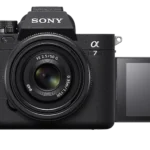
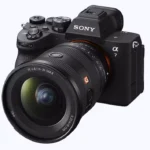
Sony’s A7R series has long been the benchmark for high-resolution full-frame mirrorless, and the A7R VI continues that tradition. With a sensor pushing into the high-megapixel range, it’s the camera landscape and architecture photographers dream about. Sharpness at 100% crops is genuinely jaw-dropping.
What makes it stand out beyond resolution is how usable it is day-to-day. Sony’s autofocus remains class-leading, the in-body stabilisation handles handheld shooting in tricky conditions, and the menu system — once a notorious weak point — is now genuinely logical.
It’s not cheap, and it’s not the right tool for fast sports or wildlife where you need burst speed above all else. But as an all-rounder at the top of the market, it earns its place here.
Best for Speed and Action: Nikon Z9 Mark II
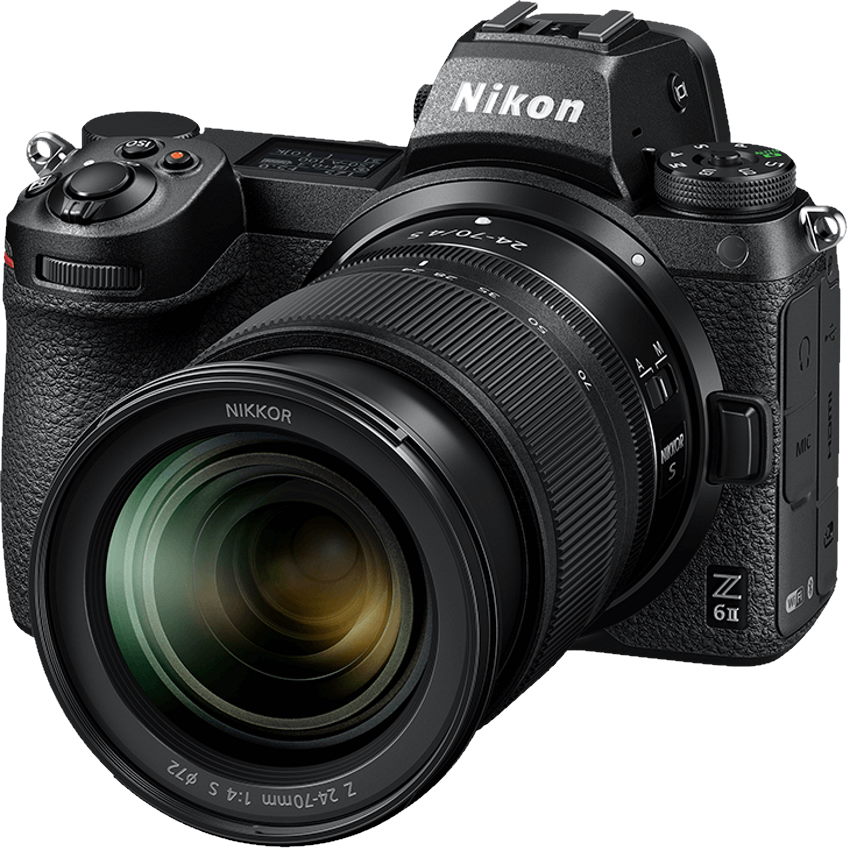
The original Nikon Z9 was a genuine shock to the system when it launched — no mechanical shutter, no blackout, blistering burst rates. The Mark II refines everything that made it special while addressing the few complaints users had.
For sports, wildlife, and any fast-moving subject, this is one of the most capable tools you can put in your hands. The subject recognition is impressively reliable, even in cluttered backgrounds or poor light. Nikon’s colour science also continues to win fans among photojournalists who want files that need minimal processing.
It’s a large camera by mirrorless standards — closer to a traditional sports DSLR in size and weight. That’s a feature, not a bug, if you’re used to shooting with big telephoto lenses all day. If you want something compact, look elsewhere.
Best Full-Frame Value: Canon EOS R8 II
Full-frame cameras used to mean full-frame prices. The Canon EOS R8 II changes that conversation. It brings a capable full-frame sensor into a body that’s genuinely affordable, making it a strong choice for photographers stepping up from APS-C or a smartphone for the first time.
You do make some compromises. The body is lightweight to the point of feeling a little plasticky, in-body stabilisation is limited, and the buffer isn’t deep enough for serious burst shooting. But for travel, portraits, street photography, and everyday creative work, it punches well above its price point.
The Canon RF lens ecosystem is mature and excellent. Starting with the R8 II gives you a clear upgrade path if your needs grow over time.
Best APS-C Camera: Fujifilm X-T6
Fujifilm has built one of the most loyal communities in photography, and the X-T6 shows exactly why. The film simulations alone are worth the price of admission for photographers who want beautiful JPEGs straight out of camera without spending hours in Lightroom.
Beyond the aesthetics, the X-T6 is a genuinely capable performer. The APS-C sensor delivers excellent detail and colour, the controls are physical and tactile in a way that makes shooting feel intentional, and the compact body pairs beautifully with Fujifilm’s range of smaller prime lenses.
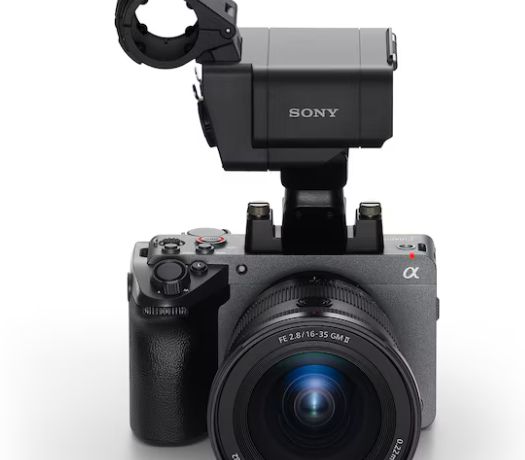
Best for Video Creators: Sony FX3 II
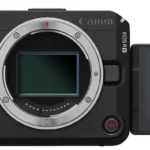
If video is your primary focus — or even an equal priority alongside stills — the Sony FX3 II deserves serious attention. Sony’s Cinema Line brings professional video features into a compact, practical form factor that works just as well on a gimbal as it does on a traditional tripod. Sony recently released Sony FX5 camera. The Sony FX5 is a compact full-frame Cinema Line camera featuring a 16.6MP stacked sensor, 5K Open Gate recording, internal 16-bit X-OCN RAW, triple base ISO, AI-powered autofocus, and advanced stabilization for professional filmmaking.
The full-frame sensor produces gorgeous cinematic images with excellent dynamic range. S-Log profiles give you real flexibility in colour grading, and the autofocus — particularly for face and eye tracking on moving subjects — is as good as it gets for video work.
It’s worth noting that the FX3 II is optimised for video first. Stills shooters will find it capable but not as refined as a dedicated hybrid like the A7 series. If you’re building a hybrid photo-video kit, pair it with a strong stills body rather than treating it as your only camera.
Best Compact Mirrorless: OM System OM-5 II
Not everyone needs full-frame. The OM System OM-5 II makes a compelling case for Micro Four Thirds in 2026, particularly if you shoot outdoors in unpredictable conditions. It’s weather-sealed to a serious degree, genuinely compact, and the computational photography features — including handheld high-resolution shooting — are impressive for the sensor size.
Wildlife and macro photographers who need a light kit for fieldwork will find a lot to love here. The telephoto reach you get from Micro Four Thirds lenses at a given physical size is a real practical advantage.
How to Choose the Right One for You
- Define your primary subject: Landscapes, portraits, sports, and video all have different priority lists. Don’t buy a high-resolution body if you mostly shoot fast action.
- Think about the whole system: The body is just the start. Research the lenses you’ll actually want before committing to a mount.
- Handle it before you buy: Ergonomics are personal. A camera that feels perfect in one person’s hands can feel awkward in another’s. Visit a camera store if you can.
- Buy used or refurbished: Camera bodies hold up well and the used market in 2026 is full of excellent previous-generation bodies at strong prices.
The best mirrorless camera is the one that fits how you actually shoot — your subjects, your workflow, your budget, and yes, your hands. Any of the cameras on this list will produce images you’re proud of.