The Ultimate Guide to Focus Mode
Focus mode is one of those camera settings that seems simple until you miss a shot you really wanted. A portrait can look sharp in the viewfinder but end up focused on an ear. A runner can be perfectly framed but soft because the camera locked focus where they used to be. A landscape can look detailed, yet the foreground is blurry because autofocus chose a distant tree.
The good news: most focusing problems come down to using the wrong mode for the subject. Once you understand how your camera’s focus modes behave, choosing the right one becomes quick and almost automatic.
This guide covers the main focus modes found on DSLR and mirrorless cameras, when to use them, and how to combine them with focus areas for consistently sharper photos.
What does focus mode mean?
Focus mode tells the camera how it should focus. More specifically, it determines whether the camera locks focus once, keeps adjusting focus as the subject moves, or leaves focusing entirely to you.
The names vary by brand, but the core options are almost always the same:
- Single autofocus for still subjects
- Continuous autofocus for moving subjects
- Manual focus when you want complete control
- Automatic or hybrid autofocus when the camera decides between single and continuous focus
On Canon cameras, you may see One Shot AF and AI Servo AF. Nikon commonly uses AF-S and AF-C. Sony, Fujifilm, Panasonic, and many others use similar labels. Check your camera manual for the exact wording, but the behavior is broadly consistent.
Single autofocus: the default for still subjects
Single autofocus is usually called AF-S, One Shot AF, or Single AF. You half-press the shutter button, the camera focuses once, and then focus stays locked as long as you keep holding the button halfway down.
This is the most useful mode for subjects that are not moving toward or away from the camera.
When to use single autofocus
- Portraits of seated or standing people
- Landscapes and architecture
- Still life, food, and product photography
- Street scenes where you are waiting for a person to enter a fixed spot
- Travel photos of buildings, signs, and details
For example, when photographing a friend at a café, place a small focus point over their nearest eye, half-press to lock focus, then take the photo. If they are sitting still, AF-S is fast, accurate, and less likely to shift focus unexpectedly.
Single autofocus also works well when you want to focus and recompose. Focus on the subject, keep the shutter half-pressed, adjust your framing, and shoot. This technique is useful with wider lenses and moderate apertures.
Be careful with focus-and-recompose at very wide apertures such as f/1.4 or f/1.8. A small change in camera angle can move the plane of focus enough to make the eye soft. In that situation, it is usually safer to move the focus point directly over the eye instead.
Continuous autofocus: for subjects that do not sit still
Continuous autofocus is generally called AF-C, AI Servo AF, or Continuous AF. When you half-press the shutter button or use back-button focus, the camera keeps adjusting focus while the subject moves.
This is the mode to choose when distance between you and the subject is changing. It is essential for action photography, but it is also useful for ordinary life: kids walking toward you, dogs at the park, a bride coming down the aisle, or a cyclist passing through a city street.
When to use continuous autofocus
- Sports and wildlife
- Children playing
- Pets running or moving unpredictably
- Events and weddings
- Cars, bikes, trains, and other moving vehicles
- Portraits where the subject is walking toward the camera
Imagine photographing a dog running toward you. With AF-S, the camera locks focus at the first distance it sees. By the time you press the shutter, the dog may be much closer and out of focus. With AF-C, the camera tracks that changing distance right up to the moment you take the image.
Continuous autofocus is not magic, though. It needs a clear subject, reasonable contrast, and a focus area that makes sense. If your focus point drifts off the athlete and onto the crowd behind them, the camera may faithfully focus on the crowd instead.
Pair AF-C with the right focus area
For unpredictable movement, use a wider tracking area, zone, or subject-tracking option. For more controlled movement, a small zone or single point can be better.
- Single point: Best when you can keep the point precisely on the subject, such as a bird perched on a branch before takeoff.
- Small zone: Useful for a runner, cyclist, or child moving within a fairly predictable part of the frame.
- Wide-area tracking: Helpful for erratic subjects such as dogs, birds in flight, or children playing.
- Eye or face detection: Excellent for people and, on many newer cameras, animals. Still check the result, especially when there are multiple faces in the frame.
If your camera has subject detection, choose the correct category where available: people, animals, birds, vehicles, and so on. A camera may recognize a subject better when it knows what it is looking for.
Automatic focus mode: convenient, but not always reliable
Some cameras offer an automatic mode that switches between single and continuous autofocus. You might see names such as AF-A, AI Focus AF, or Auto AF.
It sounds ideal: the camera sees whether the subject is moving and selects the appropriate behavior. In practice, it can be fine for casual snapshots, but it adds one more decision for the camera to make.
That decision can be wrong at an inconvenient moment. A subject may pause briefly, causing the camera to lock focus, then start moving just as you press the shutter. Or the camera may keep hunting when you want a clean, locked focus point.
For deliberate photography, it is usually better to choose AF-S or AF-C yourself. You will know exactly how the camera will respond.
Manual focus: slower sometimes, essential other times
Manual focus means you turn the lens focus ring yourself. It can feel old-school, but it remains extremely useful. Autofocus systems need contrast and a recognizable target. Give them darkness, fog, reflections, glass, or a busy foreground, and they can struggle.
Manual focus is especially useful for:
- Macro photography, where depth of field is extremely thin
- Night skies and astrophotography
- Landscape scenes where you want a precise focus distance
- Video, where focus shifts need to look intentional
- Subjects behind fences, windows, or foliage
- Low-contrast scenes such as misty beaches or white flowers against pale backgrounds
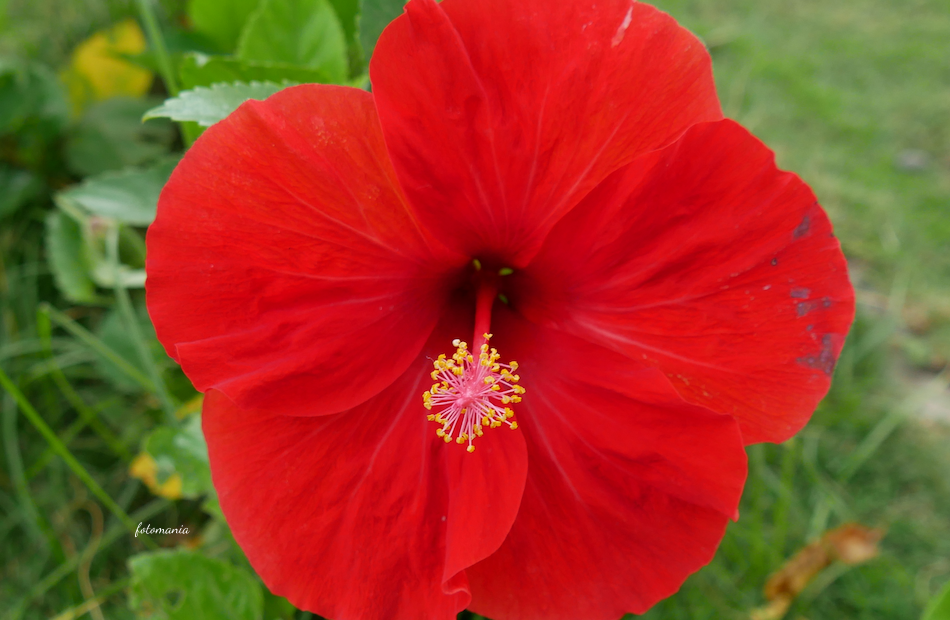
For a close-up of a flower at f/2.8, autofocus may choose the nearest petal when you want the stamen sharp. Manual focus lets you place sharpness exactly where it matters.
On a mirrorless camera, turn on focus peaking and magnified view. Focus peaking highlights areas that appear sharp, while magnification lets you inspect a small area closely. Together, they make manual focus far more practical than it was through an old optical viewfinder.
For astrophotography, do not simply turn the lens to the infinity mark and assume it is correct. On many lenses, true infinity sits slightly before or after that mark. Magnify a bright star, focus until it becomes as small and crisp as possible, then avoid touching the focus ring.
Focus mode versus drive mode
These settings are often confused because both matter for action. Focus mode decides how the camera focuses. Drive mode decides how many photos it takes when you hold down the shutter button.
For example, photographing a football match might involve:
- AF-C to track a moving player
- Subject tracking or a zone to tell the camera where to look
- Continuous burst drive to capture several frames during a tackle or goal attempt
- A fast shutter speed, perhaps 1/1000 second or faster, to freeze motion
Using burst mode without continuous autofocus can give you a rapid sequence of equally out-of-focus images. The settings need to work together.
Back-button focus: a useful way to take control
By default, a half-press of the shutter button both activates autofocus and meters the scene. Back-button focus moves autofocus to a rear button, often labeled AF-ON or AE-L/AF-L.
This separates focusing from taking the picture. It can be especially helpful when switching between still and moving subjects.
For instance, you can set AF-C as your normal mode. Hold the rear focus button to track a moving subject. Release it to lock focus at a chosen distance, much like AF-S. Your shutter button then only takes the photo.
It takes a few outings to become natural, but many action, wildlife, and event photographers find it more consistent than half-press focusing.
A practical focus mode cheat sheet
- Landscape: AF-S with a single point, or manual focus with magnification.
- Portrait of a still person: AF-S with eye detection or a single point on the nearest eye.
- Walking portrait: AF-C with eye tracking.
- Kids and pets: AF-C with a zone or subject tracking.
- Bird in flight: AF-C with bird detection or a flexible tracking zone.
- Macro: Manual focus or AF-S with a very small focus point.
- Night sky: Manual focus.
- Street photography from a fixed position: AF-S, or manual pre-focus if the distance is predictable.
Five habits that improve focus immediately
- Use a smaller focus area than you think you need. Wide-area autofocus is convenient, but a camera can easily choose a high-contrast background instead of your subject.
- Focus on the eye for portraits. If one eye is closer to the camera, prioritize that eye.
- Match shutter speed to movement. Perfect focus will not rescue motion blur. A moving child may need 1/500 second or faster; fast sports often need more.
- Review at high magnification. After an important sequence, zoom into the image and check the point of focus, not just the overall composition.
- Practice on familiar moving subjects. A dog, a friend walking toward you, or cars passing on a quiet street are better training grounds than your first paid event.
Do not let autofocus make every decision
Modern cameras can recognize eyes, faces, animals, and vehicles with impressive accuracy. Use those tools. They save time and can dramatically improve your keeper rate. But keep an eye on what the camera has selected, especially in cluttered scenes or group photos.
The best focus mode is not a permanent setting. It is a choice you make based on whether the subject is still, moving predictably, or moving unpredictably. Make that choice before you raise the camera, and sharp photos become much less of a gamble.
Next time you head out to shoot, spend one session deliberately switching between AF-S, AF-C, and manual focus. Notice when each one helps—and when it gets in your way. Your camera is doing the focusing, but you should still be the one directing the shot. What subject will you use for your first focus-mode practice session?