Best Fullframe Cameras You Can Buy in 2026
Full-frame cameras sit at a sweet spot that many photographers never want to leave. The larger sensor gives you cleaner high-ISO performance, better dynamic range, and a shallower depth of field compared to crop-sensor bodies — and by 2026, the options across every major brand have never been stronger. Whether you shoot weddings, landscapes, portraits, or video, there is a full-frame camera built for the way you work. This guide cuts through the noise and points you toward the best ones you can actually buy right now.
What Makes a Full-Frame Camera Worth the Investment?
Before diving into specific models, it helps to understand what you are paying for. A full-frame sensor measures 36 × 24 mm — the same size as a frame of 35 mm film. That extra surface area captures more light, which translates directly into real-world advantages.
- Better low-light performance: Larger photosites collect more light, so noise stays manageable even at ISO 6400 and beyond.
- Wider dynamic range: You can pull detail from shadows and highlights that a smaller sensor would simply clip.
- Shallower depth of field: Achieving that creamy background blur is easier and more controllable.
- Lens compatibility: Full-frame mounts open up decades of native and adapted glass.
The trade-off is size, weight, and cost. But if you are serious about image quality, the investment pays off quickly.
The Best Full-Frame Cameras in 2026
Sony A7R V — Best for Resolution and Detail
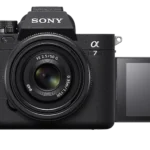
Sony’s A7R V continues to be the go-to choice for photographers who need maximum resolution without moving to a medium-format system. Its high-megapixel sensor delivers extraordinary detail in landscape and studio work, and the autofocus system — powered by Sony’s AI-based subject recognition — is fast and reliable even in tricky lighting conditions.
The articulating touchscreen and in-body image stabilization make it genuinely versatile. It is not the cheapest option on this list, but for product photographers, fine art printers, and landscape shooters, the image quality justifies every penny.
- Strengths: Outstanding resolution, excellent IBIS, class-leading autofocus
- Weaknesses: High price, buffer can fill quickly in burst mode
- Best for: Landscape, studio, and commercial photographers
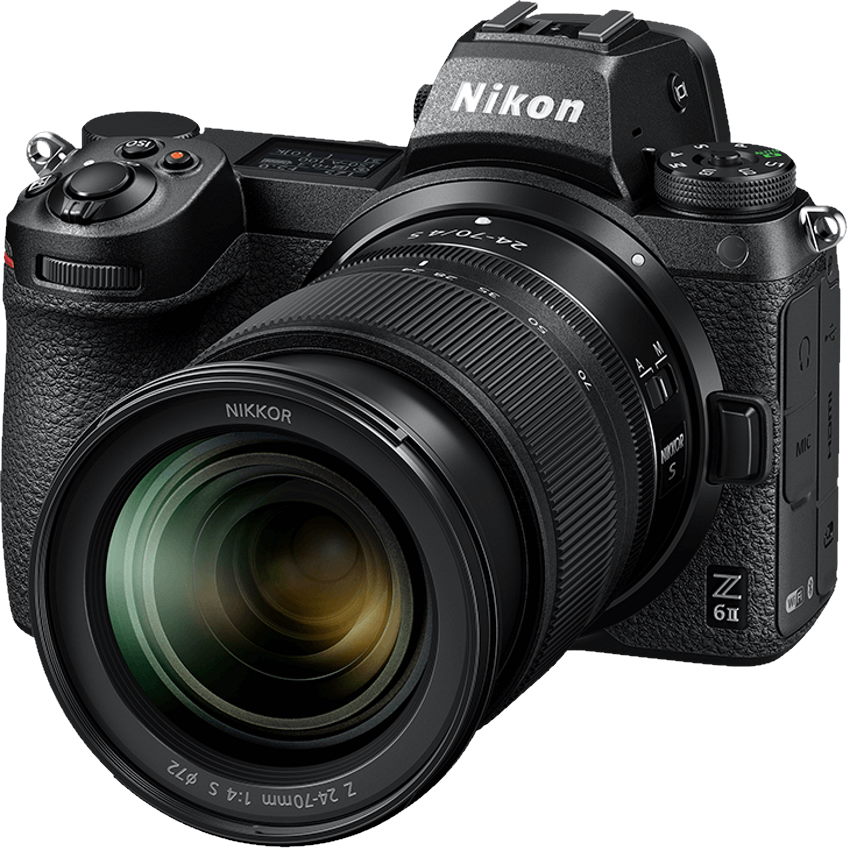
Nikon Z6 III — Best All-Rounder
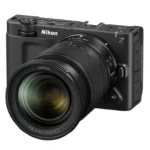
The Nikon Z6 III earns its place as one of the most balanced full-frame cameras on the market. It combines a partially stacked sensor design for fast readout speeds with excellent video capabilities, a bright and detailed electronic viewfinder, and Nikon’s refined ergonomics that feel natural after just a few hours of shooting.
It handles sports, events, travel, and portraits with equal confidence. If you want one camera that does almost everything well without forcing you to make big compromises, the Z6 III is a seriously strong pick.
- Strengths: Versatile performance, great EVF, solid video specs
- Weaknesses: Not the highest resolution on this list
- Best for: Photographers who shoot a wide variety of subjects
Canon EOS R5 Mark II — Best for Hybrid Shooters
Canon’s EOS R5 Mark II is built for photographers who refuse to choose between stills and video. It shoots high-resolution stills with Canon’s famously accurate color science while also offering impressive video recording options, including oversampled 8K and a dedicated RAW video mode that videographers will appreciate.
The autofocus is among the best in the industry, with subject tracking that locks on and stays on even during fast, unpredictable movement. Wedding photographers and content creators who need one body to handle everything will find this camera hard to beat.
- Strengths: Exceptional autofocus, strong hybrid capabilities, great color
- Weaknesses: Video recording can generate heat during long sessions
- Best for: Wedding photographers, hybrid shooters, content creators
Sony A7C II — Best Compact Full-Frame
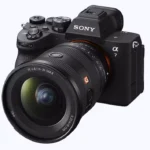
Not everyone wants to carry a large camera body. The Sony A7C II packs full-frame performance into a compact, rangefinder-style body that slips into a smaller bag without complaint. It shares much of its autofocus intelligence with Sony’s flagship models and produces excellent image quality across a wide range of lighting conditions.
Travel photographers and street shooters who want the image quality of a full-frame system without the bulk will find the A7C II genuinely liberating. It pairs especially well with Sony’s compact prime lenses.
- Strengths: Compact and lightweight, strong autofocus, full-frame quality
- Weaknesses: Smaller grip can feel less secure with heavy lenses
- Best for: Travel, street, and everyday photographers
Nikon Z8 — Best for Wildlife and Sports
The Nikon Z8 is essentially a Z9 in a smaller, lighter body, and that is a remarkable achievement. It offers a fully stacked sensor that eliminates rolling shutter in most situations, blackout-free shooting, and a subject detection system that tracks birds, animals, and fast-moving subjects with impressive accuracy.
Wildlife and sports photographers who need reliability and speed will find the Z8 one of the most capable tools available. It also offers strong video performance, making it a genuine dual-purpose body for professionals.
- Strengths: Stacked sensor, no mechanical shutter needed, excellent tracking AF
- Weaknesses: Larger and heavier than some alternatives on this list
- Best for: Wildlife, sports, and event photographers
How to Choose the Right One for You
With five strong options in front of you, narrowing the choice comes down to a few honest questions.
- What do you mainly shoot? Fast action points toward the Z8 or R5 Mark II. Detail-heavy work points toward the A7R V. Everything in between lands near the Z6 III.
- How much do you care about video? If video is a serious part of your work, the R5 Mark II and Z8 lead the pack. If it is occasional, any of these will handle it fine.
- How much weight are you willing to carry? The A7C II is the obvious answer if size is a priority. The others are all reasonably sized, but the Z8 is the heaviest of the group.
- What lenses do you already own? Switching ecosystems is expensive. If you have a collection of Canon RF, Nikon Z, or Sony FE glass, staying within that system usually makes more financial sense than starting fresh.
Final Thoughts
Full-frame cameras are a significant purchase, and prices shift regularly due to new releases, promotions, and currency changes. The full-frame camera market in 2026 is genuinely exciting. Every major manufacturer has raised the bar, and even the most affordable options on this list would have been considered flagship-level cameras just a few years ago. Take your time, handle the bodies in person if you can, and choose the one that feels right in your hands and fits your actual shooting habits. That is always the best investment you can make.