The Essential Guide to Landscape Photography
Landscape photography is a rewarding genre that allows you to capture the beauty of the world around you. Whether you’re a beginner or looking to refine your skills, understanding the essentials can make a significant difference in your images.
Understanding Your Equipment
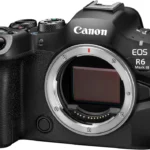
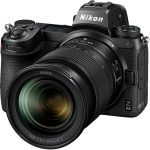
Before you head out, familiarize yourself with your camera and lenses. For landscape photography, a DSLR or mirrorless camera with manual settings is ideal. A wide-angle lens, typically ranging from 14mm to 35mm, can help capture expansive scenes.
Tripod Usage
A sturdy tripod is crucial for landscape photography. It allows you to use slower shutter speeds without introducing camera shake, essential for low-light conditions or when using filters. Consider investing in a lightweight carbon fiber tripod for easy transport.
Mastering Composition
Composition is the backbone of any great landscape photo. Here are a few principles to guide you:
- Rule of Thirds: Divide your frame into thirds both horizontally and vertically. Position key elements along these lines or at their intersections for a balanced image.
- Leading Lines: Use natural lines in your scene, like rivers or paths, to guide the viewer’s eye through the photograph.
- Foreground Interest: Include elements in the foreground to add depth and context to your landscape.
Lighting and Timing
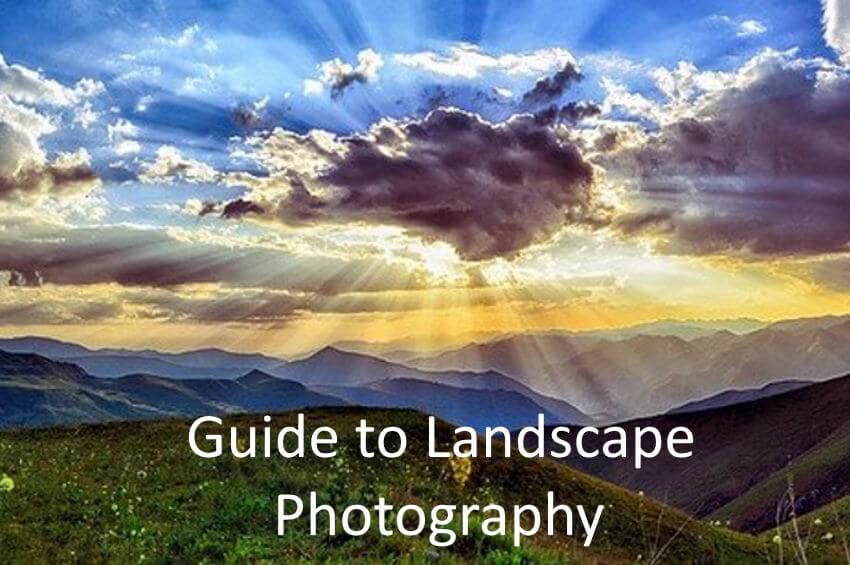
Lighting dramatically affects the mood and quality of your landscape photos. The golden hour—just after sunrise and before sunset—provides soft, warm light ideal for capturing landscapes.
Blue Hour
The blue hour, which occurs shortly before sunrise and after sunset, offers a cooler, more ethereal light. This can be perfect for creating tranquil and atmospheric images.
Using Filters
Filters can enhance your landscape photography in various ways:
- Polarizing Filter: Reduces reflections and glare, enhancing colors and contrast in the sky and foliage.
- Neutral Density (ND) Filter: Allows for longer exposure times in daylight, creating dreamy, blurred effects with water or clouds.
Post-Processing Tips
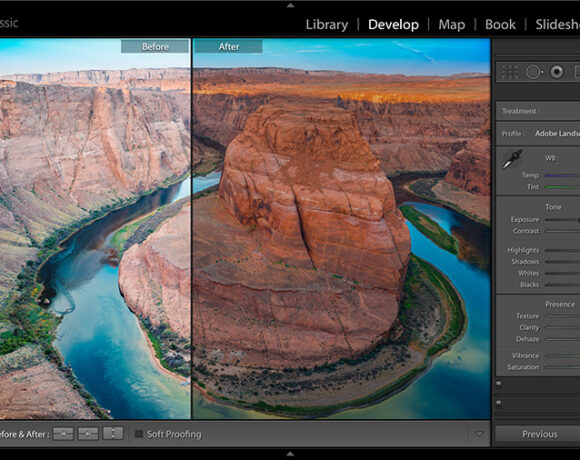
While capturing the perfect shot in-camera is ideal, post-processing can enhance your images. Use software like Adobe Lightroom or Photoshop to adjust exposure, contrast, and colors. Be careful not to over-edit; aim to preserve the natural beauty of the scene.
Practice and Patience
Landscape photography requires patience and practice. Spend time exploring different locations and experimenting with various techniques. Remember, the weather and light can change rapidly, often providing unexpected opportunities for stunning shots.
In conclusion, understanding your equipment, mastering composition, and being attuned to natural light will significantly enhance your landscape photography. By practicing regularly and experimenting with different techniques, you’ll be well on your way to capturing breathtaking landscapes.