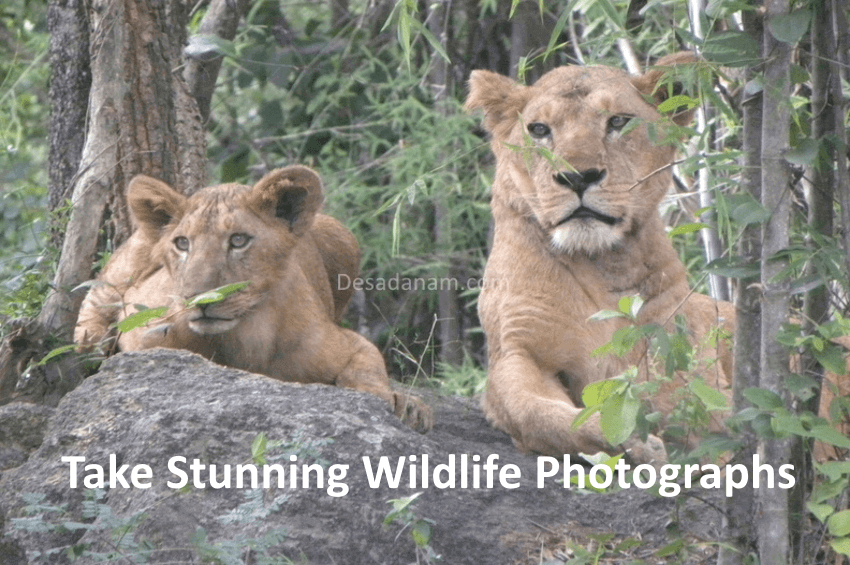
Take Stunning Wildlife Photography Like a Master
Capturing the beauty of wildlife through your lens requires more than just a keen eye; it demands patience, understanding, and the right technique. Whether you’re hoping to photograph a majestic lion on the savannah or a vibrant bird in your backyard, mastering wildlife photography can transform your work from ordinary to extraordinary. Let’s delve into some practical tips that will help you take stunning wildlife photos like a seasoned pro.
Know Your Subject
Understanding your subject is crucial in wildlife photography. Research the animals you plan to photograph—learn about their behavior, habitat, and the best times to observe them. This knowledge not only helps you anticipate their movements but also ensures you respect their environment. For example, knowing that certain birds are most active during dawn and dusk can help you plan your shoots accordingly.
Choose the Right Equipment
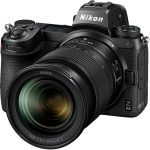
The right gear can make a significant difference in capturing sharp and detailed images. Here are some key considerations:
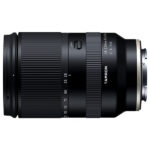
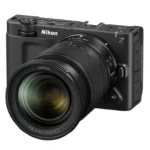
- Lenses: A telephoto lens, typically ranging from 300mm to 600mm, is ideal for capturing wildlife from a distance without disturbing them. Consider lenses with image stabilization to reduce the effects of camera shake.
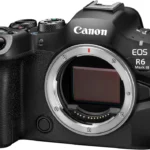
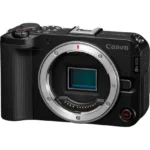
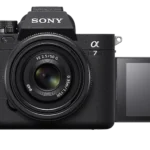
- Camera Body: Opt for a camera with fast autofocus and a high frame rate to capture quick actions. Models with good low-light performance are advantageous for early morning or late evening shoots.
- Tripod/Monopod: Stabilizing your camera is essential, especially with heavier lenses. A sturdy tripod or monopod can help reduce fatigue during long shoots.
Master the Art of Composition
Composition can significantly enhance the impact of your wildlife photos. Here are a few composition tips to consider:
- Rule of Thirds: Position your subject off-center to create a more balanced and engaging image.
- Leading Lines: Use natural elements like branches or paths to guide the viewer’s eye toward the subject.
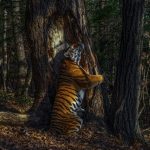
- Framing: Utilize elements in the environment to frame your subject, adding depth and context to the image.
Understand Lighting
Natural light plays a pivotal role in wildlife photography. The golden hours—shortly after sunrise and before sunset—offer soft, warm lighting that can enhance your images. Overcast days provide diffused lighting, reducing harsh shadows and allowing for even exposure. Avoid shooting in harsh midday sun, which can create unflattering shadows and overexposed highlights.
Practice Patience and Stealth
Wildlife photography often requires long periods of waiting, so patience is essential. Move quietly and avoid sudden movements to prevent startling your subjects. Wear neutral-colored clothing to blend into the environment and minimize your presence. Using a hide or a camouflage cover can also be beneficial when photographing skittish animals.
Experiment with Camera Settings
Understanding and experimenting with your camera settings can help you capture the best possible shot:
- Shutter Speed: Use a fast shutter speed to freeze motion, particularly when photographing fast-moving animals. A speed of 1/1000s or faster is often recommended.
- Aperture: A wide aperture (low f-stop number) can create a pleasing background blur, isolating the subject and drawing attention to it.
- ISO: Adjust ISO sensitivity based on the lighting conditions. A higher ISO can be useful in low-light situations, but be mindful of increased noise.
Capture the Moment
Beyond technical skills, capturing the essence of wildlife involves seizing the right moment. Look for unique behaviors, interactions, or expressions that tell a story. Whether it’s a lioness caring for her cubs or a bird in mid-flight, these moments evoke emotion and bring your images to life.
Wildlife photography is a rewarding pursuit that combines art, science, and a deep appreciation for nature. With practice, patience, and an understanding of your subjects, you can create stunning images that captivate and inspire.