Best camera phone in 2026
Picking the best camera phone in 2026 is less about finding the biggest sensor or the longest zoom number on a spec sheet. The best choice is the one that gives you the photo you wanted before the moment disappears.
For most photographers who want dependable results across stills, video, portraits and everyday shooting, the iPhone 17 Pro Max is the safest all-round recommendation. It is not necessarily the best at every single task, but its consistency makes it hard to beat.
That said, there is no single winner for everyone. If you love wildlife, moon shots or distant details, Samsung’s Ultra range remains compelling. If you prefer Google’s processing style and want strong point-and-shoot images with minimal work, the Pixel Pro line deserves a serious look. And if you shoot RAW files and enjoy editing, several Android flagships offer more manual control than an iPhone.
Here is how to choose the right camera phone for the way you actually photograph.
Our top pick: iPhone 17 Pro Max
The iPhone 17 Pro Max is the best camera phone for people who want a polished, predictable camera in their pocket. It is especially strong for travel, family photography, social content and video.
Its real advantage is not one headline-grabbing feature. It is the way the main, ultra-wide and telephoto cameras tend to produce a similar look. Colours are generally consistent, exposure is reliable, and the camera app is fast enough that you can lift the phone, frame the scene and shoot without fiddling.
That matters more than it sounds. A camera phone is often used for fleeting subjects: a child running across a park, a friend blowing out birthday candles, a street scene glimpsed through a taxi window. The phone that gets focus and exposure right quickly is often the better photographic tool.
Why it is the best all-rounder
- Dependable colour and exposure: Images tend to look natural without requiring much editing.
- Excellent video workflow: Strong stabilisation, reliable autofocus and straightforward sharing make it a practical mini video camera.
- Fast camera operation: The camera is ready quickly, which helps with candid photography.
- Good lens consistency: Switching between focal lengths is less likely to produce wildly different colour or contrast.
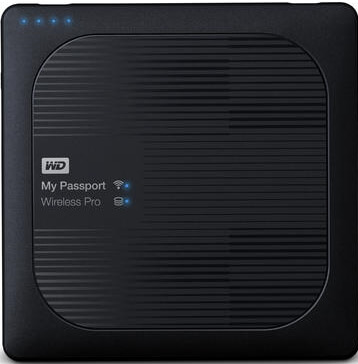
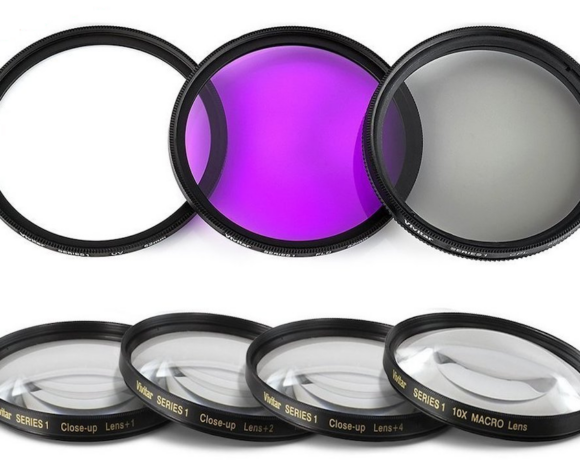
- Strong accessory support: Cases, grips, filters, external SSD solutions and mobile editing tools are easy to find.
The main drawback is flexibility. Apple’s camera controls are simple and effective, but photographers who want extensive manual settings, aggressive zoom reach or a less processed starting point may prefer a flagship Android phone.
The best alternatives for different photographers
| Best for | Recommended phone type | Why it suits that job |
|---|---|---|
| Best overall balance | iPhone 17 Pro Max | Consistent photos, excellent video and a simple, reliable shooting experience. |
| Long zoom and versatility | Samsung Galaxy S26 Ultra | Strong multi-camera flexibility for travel, architecture, sport and distant subjects. |
| Point-and-shoot stills | Google Pixel 10 Pro / Pro XL | Thoughtful computational processing and a very approachable camera experience. |
| RAW shooting and manual control | Android flagship with a Pro mode | More direct control over shutter speed, ISO, white balance and RAW capture. |
| Best value | Previous-generation Pro or Ultra model | Flagship camera hardware often stays excellent after one or two years. |
Samsung Galaxy S26 Ultra: best for reach
If your idea of camera-phone photography involves compressing mountain layers, photographing a concert from the back row or spotting wildlife across a field, the Samsung Galaxy S26 Ultra is likely the more exciting option.
Samsung’s Ultra models are built around versatility. The practical benefit is having useful framing choices without needing to crop heavily. A dedicated telephoto camera can make a distant subject look much cleaner than a digital crop from the main camera.
It is also a good choice for travellers. You can shoot a wide city square, move closer for an environmental portrait, then isolate a church tower or market detail from across the street. That range encourages more varied compositions.
There are trade-offs. Samsung images can sometimes look more processed than photographers expect, especially in difficult light or scenes with fine detail. Spend a few minutes exploring the camera settings, including resolution options, scene optimisation and RAW capture, before an important trip.
Google Pixel 10 Pro: best for simple still photography
The Google Pixel 10 Pro series is a strong pick for photographers who want attractive photos with very little effort. Google’s camera approach has long focused on computational photography: combining frames, balancing shadows and highlights, and improving difficult scenes automatically.
This can be particularly useful for everyday images such as pets indoors, backlit portraits, restaurants, rainy streets and evening walks. The camera often makes sensible decisions without asking you to understand exposure compensation or colour temperature.
The Pixel is a good fit if you mostly take still photographs and value a compact, uncomplicated experience. If video is your priority, compare it closely with the iPhone before buying. If long telephoto shooting is your priority, compare it with Samsung’s Ultra model.
What matters more than megapixels
Megapixels are useful, but they are one small part of image quality. A high-resolution mode can help when there is plenty of light and your subject is still. It will not automatically improve a dim restaurant photo or a moving dog at dusk.
When comparing camera phones, pay attention to these practical factors instead.
1. The main camera
The main, or wide-angle, camera does most of the work. It is the lens you will use for family photos, food, street photography and casual landscapes. Look for natural detail, believable skin tones and clean results in indoor light.
Do not judge it from one bright daytime sample. Nearly every flagship phone looks good outside at noon. Check images made in mixed lighting, near windows, under warm indoor bulbs and after sunset.
2. Telephoto quality at useful distances
Ignore huge “digital zoom” claims. What matters is whether the phone has a strong optical telephoto option at focal lengths you will genuinely use.
- Short telephoto: Great for portraits and detail shots.
- Medium telephoto: Useful for travel, events and tighter landscapes.
- Long telephoto: Helpful for wildlife, sport and distant architecture.
A good telephoto lens changes how you see. Instead of always stepping closer, you can simplify the frame, isolate a subject and use perspective more creatively.
3. Motion and low-light performance
Night modes can make a static city scene look impressive, but moving subjects are the real test. Can the phone photograph someone laughing at dinner without turning their face into a soft blur? Can it catch a cyclist at blue hour? Can it focus on a black dog in a dim room?
For parents, pet owners and event photographers, this matters far more than a dramatic night-mode shot of an empty building.
4. Video controls and storage
If you shoot video regularly, check more than resolution. Look at stabilisation while walking, autofocus behaviour, microphone quality, heat management and available storage.
High-quality video files fill a phone quickly. A 256GB model may be enough for casual shooting, but photographers who record long clips, use high-bitrate formats or keep large RAW libraries should consider 512GB or more. Also check whether the phone supports easy transfer to an external drive or computer.
How to choose in the shop
Camera comparisons online are useful, but a few minutes with a phone in your hand can prevent an expensive mistake.
- Open the camera app. See whether the controls make sense immediately.
- Switch lenses. Check how quickly it moves from wide to telephoto and whether the viewfinder feels smooth.
- Photograph a person. Look for natural skin tone, hair detail and a believable background blur.
- Try a close subject. Photograph a label, menu or textured fabric to see how the phone handles detail.
- Check the screen outdoors. A great photo is harder to compose if the display is difficult to see in sunlight.
- Think about size. The best camera phone is useless if it stays in a bag because it is too large or heavy.
Don’t overlook last year’s flagship
A previous-generation Pro, Pro Max or Ultra phone can be one of the smartest photography purchases in 2026. Camera hardware does not become bad because a new model appears. In many cases, last year’s flagship still has an excellent main sensor, a capable telephoto lens, RAW support and years of software support remaining.
This is especially sensible if you are moving up from a mid-range phone. The jump from a basic camera system to a one-year-old flagship can be far more noticeable than the difference between two consecutive flagship generations.
Put the savings toward something that improves your images immediately: a compact tripod, a protective case with a grip, a small LED light, cloud backup or a photo-editing app you will actually learn to use.
Make any camera phone produce better photos
Even the best camera phone benefits from a few simple habits.
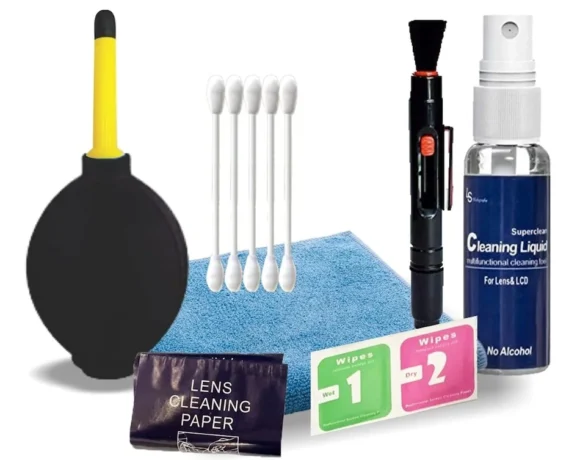
- Clean the lenses. A fingerprint can ruin contrast and create hazy highlights.
- Use the standard camera first. It is usually the strongest lens in the system.
- Tap to set focus and exposure. Especially useful for portraits and backlit scenes.
- Use the telephoto for portraits when there is enough light. It often gives a more flattering perspective than the wide camera.
- Avoid maximum digital zoom. Get closer when possible, or crop later from a clean image.
- Keep a few favourites. Editing ten strong images is more rewarding than saving 400 near-duplicates.
If you want one clear answer, buy the iPhone 17 Pro Max for the most balanced camera experience. Choose the Galaxy S26 Ultra if telephoto reach is central to your photography, and look closely at the Pixel 10 Pro if you want excellent stills with almost no fuss.
The more interesting question is not which phone wins a spec-sheet battle. It is which one will make you stop, frame a scene carefully and keep photographing. What do you shoot most often: people, travel, wildlife, food or video? Let us know in the comments, and compare your next phone against that answer rather than the marketing brochure.