Most Popular Cameras on Flickr
Search for the most popular cameras on Flickr (Flickr Camera Finder) and one thing becomes clear: popularity is not the same as a recommendation. Flickr reflects what people upload, from carefully edited RAW files made with professional cameras to everyday photographs taken on a phone. Its enormous archive also means that older models can remain highly visible years after production ends.
That makes Flickr useful in a way that conventional camera charts are not. It shows which equipment photographers have actually carried into streets, studios, landscapes, weddings and family gatherings. Used carefully, those patterns can help you research a camera, compare rendering styles and see what a particular model can produce outside controlled reviews.
What Flickr camera popularity actually measures
Flickr can identify a camera when an uploaded image retains its EXIF data. EXIF is the metadata written into an image file, often including the camera model, lens, focal length, shutter speed, aperture and ISO setting.
Camera rankings and model pages should not be treated as a census of photographers. They are influenced by several factors:
- Upload volume: One prolific photographer can contribute thousands of photographs from a single camera.
- The age of the archive: A DSLR sold for many years has had far more time to accumulate images than a recently released mirrorless body.
- Missing metadata: Editing software, export settings and social media workflows can remove EXIF information.
- Smartphone behaviour: Phones are always at hand and can produce more uploads per owner than dedicated cameras.
- Model naming: Regional names and slightly different metadata labels can divide photographs from closely related cameras.
Flickr’s visible rankings can change, so any exact list is only a snapshot. It is more useful to look at the camera families that repeatedly appear across the platform and understand why they have such a large presence.
The camera families that dominate Flickr
Apple iPhone models
Various generations of the iPhone have occupied prominent positions in Flickr camera statistics. That is hardly surprising. A phone is usually available when an unexpected photograph appears, and its processing produces a finished JPEG or HEIF image with little effort.
On Flickr, iPhone photographs range from family snapshots to serious street and documentary work. Newer models may be prominent among recent uploads, while older iPhones retain large historical totals. Grouping every generation together makes the iPhone one of the platform’s most significant camera families.
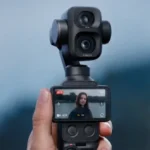
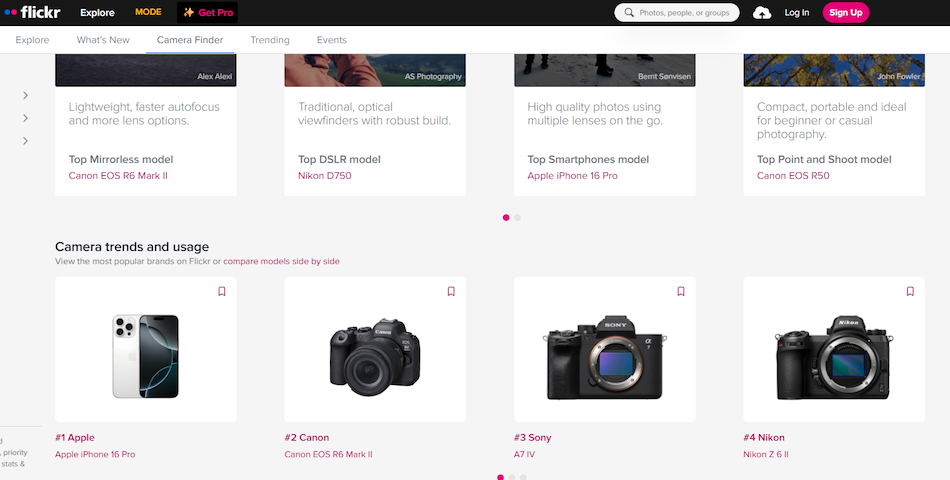
Its popularity demonstrates the value of access rather than technical superiority. A phone with a small sensor and fixed lens choices cannot fully replace a dedicated camera for every subject, but it can make the photograph that would otherwise be missed. Apple iphone 16 pro is the number 1 in Flickr camera trends list.
Canon EOS series
Canon’s EOS 5D line has a particularly deep footprint in Flickr’s archive. Models such as the EOS 5D Mark II and Mark III were widely used for portraiture, weddings, events, landscapes and video production. Their long working lives have allowed them to accumulate substantial image collections.
Browsing 5D photographs is useful for evaluating the broader Canon EF system. Look beyond dramatic wide-open portraits and examine images made at ordinary settings: a landscape at f/8, an indoor event at ISO 3200 or a moving subject at 1/1000 second. These examples reveal more than a gallery containing only a photographer’s strongest images.
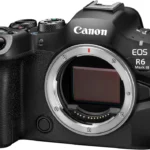
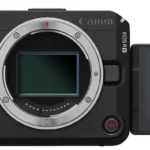
Canon EOS R6 Mark II is the number canon camera in Flickr camera trends list.
Canon EOS Rebel and regional equivalents
Canon’s entry-level DSLRs are another major part of the Flickr archive. Depending on the market, closely related cameras may carry Rebel, Kiss or three-digit and four-digit EOS names. This can make the family appear more fragmented than it really is.
These cameras were accessible routes into interchangeable-lens photography, often sold with an 18–55mm kit zoom. Flickr consequently contains a broad mix of travel, school, family, wildlife and early portfolio work from them.
For a photographer considering an inexpensive used DSLR, that volume is valuable. It provides realistic examples from the kit lens as well as popular upgrades such as a telephoto zoom or a small-aperture prime. Pay attention to the lens listed in the metadata; lens choice and lighting may explain more about an image than the camera body does.
Nikon D-series DSLRs
Nikon DSLRs also have a strong and long-established presence. Enthusiast models from the D7000 family, full-frame bodies such as the D750, and earlier cameras including the D90 are represented by extensive collections. Professional and entry-level Nikon bodies add to that footprint.
The range of photographs is one of the main advantages of researching Nikon equipment on Flickr. A body might appear in sports images made with a long telephoto, portraits photographed with an 85mm prime and landscapes captured using an ultra-wide zoom. That variety helps separate the capabilities of the camera from the effect of a particular lens.
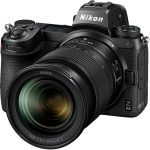
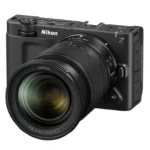
Nikon Z6 II is the top Nikon camera in Flickr camera trends list.
Sony Alpha mirrorless cameras
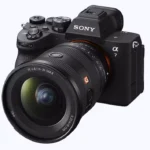
Sony’s Alpha mirrorless range has become highly visible across Flickr, particularly the full-frame a7 family. Its users cover a wide range of subjects, including adapted-lens photography, travel, portraiture, astrophotography and video-oriented hybrid work.
Model names matter here. Cameras within the same generation may be designed around different priorities, such as higher resolution, speed or low-light and video use. A general search for “Sony a7” can therefore mix files from bodies with meaningfully different sensors and features.
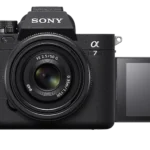
When comparing results, open individual photographs and check the exact model, lens and exposure information. A night scene made at ISO 6400 tells you something different from a daylight portrait photographed at base ISO with controlled lighting. Sony a 7IV is the top Sony camera in Flickr camera trends list.
Fujifilm X and Micro Four Thirds systems
Fujifilm X-series cameras, along with Olympus or OM System and Panasonic Micro Four Thirds bodies, may not match the total historical volume of the largest phone and DSLR families. They nevertheless have active Flickr communities and substantial model-specific galleries.
These collections are especially useful when researching compact travel and street-photography kits. You can compare photographs from small prime lenses, portable zooms and different in-camera JPEG settings. For Micro Four Thirds cameras, remember that a 25mm lens gives an angle of view similar to a 50mm lens on full frame; this helps when comparing compositions across formats.
How to research a camera on Flickr
A model’s image count is only the starting point. A more useful comparison follows a consistent process:
- Search for the exact camera model. Include regional naming variants where relevant.
- Examine recent and older uploads. This distinguishes an active user base from a large historical archive.
- Check the lens metadata. A premium prime and a basic kit zoom can produce very different impressions of the same body.
- Look at full-resolution files when available. Small previews can hide noise, motion blur, missed focus and heavy sharpening.
- Find examples from your preferred subject. Bird photographers should inspect autofocus sequences and high-ISO files, while portrait photographers may care more about skin tones and transitions into out-of-focus areas.
- Compare similar conditions. Two images are meaningful references only when focal length, light, exposure and processing are reasonably comparable.
Conclusion
A large Flickr presence has practical benefits. Popular cameras tend to have more sample images, active discussion groups and a wider range of lenses represented. Older, widely used models may also be easier to research when shopping second-hand because common strengths, faults and handling quirks have been discussed extensively. The most popular cameras on Flickr therefore tell a story about availability, longevity and photographic culture. Smartphones lead through convenience, DSLRs benefit from deep archives, and mirrorless systems are increasingly visible in newer work. Use those galleries as a vast reference library, then make the final choice according to the subjects you photograph, the lenses you need and the camera you will actually want to carry.