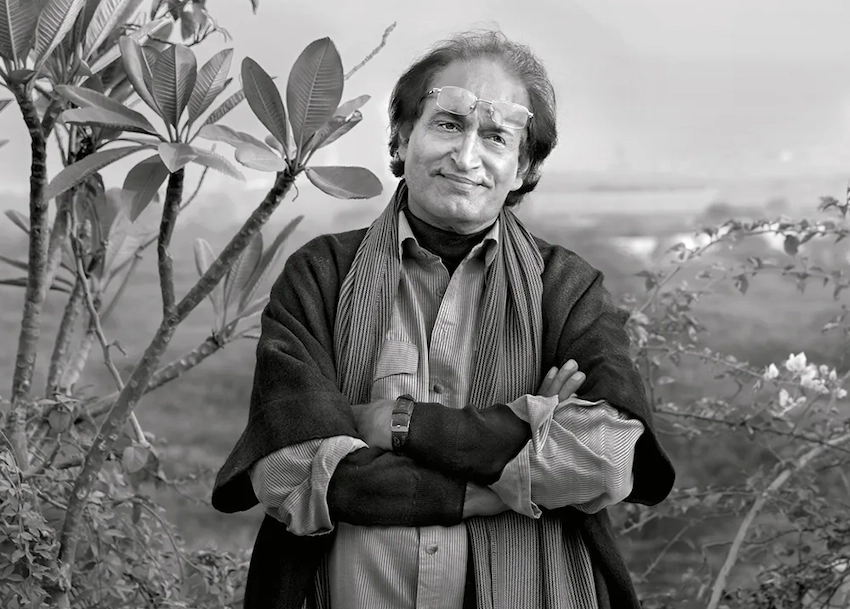
Raghu Rai – photographer inspiration
Raghu Rai’s photographs show how much can happen inside a single frame. A crowded street, a political gathering, a quiet portrait or a landscape can become more than a record of a place when the photographer notices the relationships between people, light, gesture and space. For photographers looking for inspiration, Rai’s work offers a valuable lesson: strong documentary photography is not only about finding important subjects. It is about learning how to see.
Rai is one of India’s most influential photographers. His career has included street photography, portraiture, landscape, architectural work and long-term documentary projects. He is widely recognised for photographs of India that combine formal control with emotional and social depth, including his extensive work on the aftermath of the Bhopal gas disaster.
Studying Raghu Rai’s photography can help you make better decisions before, during and after pressing the shutter. His example encourages patience, curiosity and a willingness to look beyond the obvious image.
Why Raghu Rai’s photography remains so inspiring
Rai’s images are often immediately readable, but they rarely reveal everything at once. A photograph might contain a dominant figure in the foreground, a small gesture in the distance and a background that changes the meaning of the scene. These layers invite the viewer to spend time with the frame.
This is particularly noticeable in his photographs of everyday life. Instead of treating the street as a collection of isolated subjects, Rai often shows how people occupy shared spaces. A passer-by may echo the posture of a statue. A face may appear between bodies in a crowd. A shaft of light may separate one person from an otherwise busy background.
The lesson is practical: before taking a photograph, look for connections. Ask yourself:
- Is there a visual relationship between the foreground and background?
- Do two subjects echo each other through gesture, expression or shape?
- Does the light direct attention to one part of the frame?
- Will the image still be interesting if the viewer looks at it for ten seconds rather than one?
These questions can turn a quick snapshot into a more considered photograph without requiring specialist equipment.
Look for layers, not just subjects
One of the most useful aspects of Raghu Rai’s visual approach is his sensitivity to layered composition. Layering means organising different elements at varying distances from the camera so that the frame has depth and multiple points of interest.
Imagine photographing a market with a 35mm or 50mm lens. Instead of filling the frame with one person, position yourself so that a vendor occupies one side, customers create a middle layer and signage or architecture frames the background. The image becomes a small visual story rather than a portrait detached from its surroundings.
Do not treat every background detail as a distraction. Sometimes the background supplies context, contrast or irony. A formal portrait can gain energy from an untidy room. A solemn subject can be complicated by a lively activity behind them. The important task is to decide whether the background supports the photograph and to adjust your position accordingly.
Change your position before changing your lens
When a composition feels flat, many photographers reach for a different focal length. Moving a few steps can be more effective. Lowering the camera can give foreground objects greater presence. Stepping to one side can separate overlapping figures. Waiting can allow a person to enter an empty area of the frame and balance the composition.
Rai’s work is a reminder that photography often depends on timing and position more than technical complexity. A camera set to aperture priority, with a shutter speed fast enough to prevent unwanted motion blur, may be all that is needed. The creative decision is where to stand and when the elements align.
Find the decisive moment without forcing it
Raghu Rai’s photographs are often discussed in relation to the decisive moment: the brief instant when gesture, expression and composition come together. The idea is useful, but it should not be confused with simply taking many pictures and hoping one works.
Good timing begins before the moment arrives. Watch how people move through a space. Notice repeated patterns: a train of commuters passing a doorway, a speaker turning towards the light, or a child repeatedly glancing at an adult. Once you understand the rhythm, you can anticipate rather than react late.
A simple exercise is to choose one location and stay there for 20 or 30 minutes. Keep your framing relatively consistent. Observe how the scene changes as people enter, leave and interact. You may find that the strongest photograph is not the most dramatic event, but a subtle alignment of figures and space.
Use continuous autofocus or a zone focus method when the situation demands speed, but do not allow camera settings to replace observation. Exposure compensation can help when a bright sky or dark clothing causes the camera to misread the scene. The settings should support your attention, not distract from it.
Use contrast to create meaning
Rai’s photographs frequently gain strength from contrast. This may be a contrast of light and shadow, old and new architecture, wealth and poverty, stillness and movement, or private emotion within a public setting.
Contrast does not have to be dramatic. A person in a bright shirt against a muted wall may be enough. A sharply dressed figure standing beside a weathered building can suggest a relationship between individual and place. Look for differences in texture, scale, colour and posture as well as obvious differences in subject matter.
Black-and-white photography can make these relationships especially clear because it removes colour as one source of information. But colour can be equally expressive. Rai’s body of work includes both black-and-white and colour photography, and the choice should follow the subject. Use monochrome when tonal structure, gesture or texture carries the image. Keep colour when it contributes atmosphere, cultural detail or visual tension.
When editing, try viewing a photograph both ways, but do not convert every image automatically. Ask what the removal of colour changes. If the photograph becomes stronger because the viewer notices shape and expression, monochrome may be appropriate. If colour is part of the story, preserve it.
Portraits that reveal context
Raghu Rai is known for portraits of prominent figures as well as ordinary people. His portraits often feel connected to the subject’s environment rather than isolated from it. This approach is useful for anyone photographing people, whether for a personal project, editorial assignment or family archive.
Before making a portrait, consider whether the surroundings tell the viewer something important. A musician’s rehearsal room, a craftsperson’s workshop or a farmer’s field may provide more meaningful information than a neutral backdrop. Give the subject room within the frame when the environment is part of the story.
Communication matters as much as composition. Spend time explaining what you are doing, ask permission where appropriate and avoid treating people as visual props. A portrait made with trust is more likely to contain a natural expression or gesture than one made by rushing in with a camera.
Try making two versions of the same portrait: one tighter, using an 85mm or similar short telephoto lens, and one environmental portrait with a wider lens such as a 35mm. The first may emphasise character through expression. The second may explain the subject through place. Neither is automatically better; they answer different questions.
Documentary photography with responsibility
Rai’s work on the Bhopal gas tragedy demonstrates the importance and difficulty of documentary photography. Images made in situations involving suffering can bear witness, preserve memory and draw attention to injustice. They can also turn vulnerable people into symbols if the photographer ignores context or consent.
This is an important consideration for contemporary photographers. Before photographing a difficult situation, think about why the image needs to exist and who may be affected by its publication. Avoid manipulating a scene for greater drama. Do not confuse access with entitlement. Caption photographs accurately, protect sensitive personal information when necessary and understand how the image might be viewed by the people depicted.
Documentary photography is not made more truthful by being emotionally aggressive. Often, restraint gives the viewer space to recognise the humanity of the subject rather than consuming their pain as spectacle.
Build a project instead of chasing isolated images
Another lesson from Rai’s career is the value of sustained attention. A single good street photograph can be satisfying, but a coherent body of work develops through repetition, research and return visits.
- Choose a subject that genuinely holds your attention: a neighbourhood, occupation, family history, public space or social change.
- Photograph it regularly rather than waiting for a perfect event.
- Make different kinds of images, including wide scenes, portraits, details and quiet transitional moments.
- Review the work in groups of 20 or 30 photographs to identify recurring ideas and weak repetitions.
- Write short notes about the people, places and circumstances so that captions remain accurate.
Do not judge the project only by the number of dramatic images it contains. A strong sequence needs variation in distance, pace and mood. One quiet frame may make the next image more powerful.
How to study Raghu Rai’s work actively
Instead of scrolling quickly through a collection, select five photographs and analyse them one at a time. Describe the image without interpreting it first. Where are the brightest tones? What is closest to the camera? What enters or exits the frame? Which gesture controls your attention?
Then consider the photographer’s decisions. Could the image have been made one second earlier? What would change if the camera moved left? Is the subject important because of who they are, or because of the way they relate to the surroundings? This kind of visual analysis is more useful than simply labelling a photograph “beautiful” or “powerful.”
Finally, make your own response to one of the ideas rather than copying the surface style. Photograph layers in a familiar street, make portraits that include place, or spend an hour waiting for relationships to form within one frame. Raghu Rai’s greatest inspiration may be the permission to look longer, move more thoughtfully and treat ordinary life as worthy of serious attention.