10 World’s Most Famous Photographers to Know
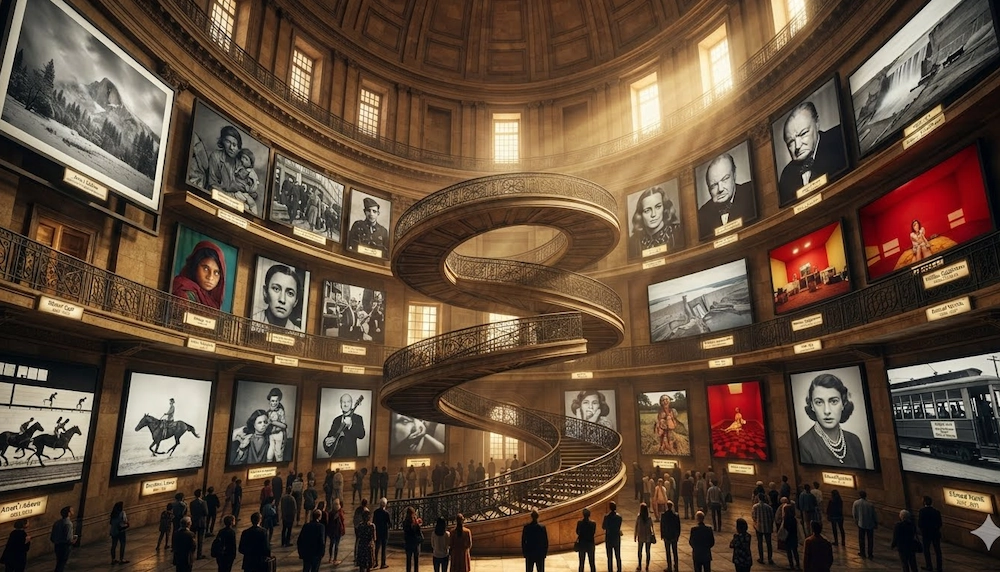
Great photographers do more than record what’s in front of the lens. They make deliberate choices about light, timing, distance, color, and how a subject relates to its surroundings. Studying their work is one of the most practical ways to sharpen your own visual instincts, whether you shoot on a phone or a full studio setup.
This list covers ten photographers whose work spans landscape, documentary, street, portrait, fashion, war, and adventure photography. It isn’t a ranking. Each name below made a lasting contribution to the medium, and each offers a specific, usable lesson for anyone trying to take stronger pictures.
- Ansel Adams — landscape photography and controlled exposure
- Henri Cartier-Bresson — street photography and timing
- Dorothea Lange — documentary portraiture
- Steve McCurry — color and travel photography
- Annie Leibovitz — concept-driven portraiture
- Richard Avedon — fashion and stripped-back portraits
- Sebastião Salgado — long-term documentary projects
- Vivian Maier — street photography and personal work
- Robert Capa — war and conflict photography
- Jimmy Chin — adventure and outdoor photography
1. Ansel Adams
Ansel Adams is one of the best-known landscape photographers in the world. His black-and-white images of the American West, especially Yosemite, combine grand subject matter with exceptionally careful control of exposure and printing. Adams helped develop the Zone System, a way of thinking deliberately about the full tonal range of an image, from deep shadows to bright highlights. His photographs were never accidental records of a view. He planned for the final print from the moment he saw a scene.
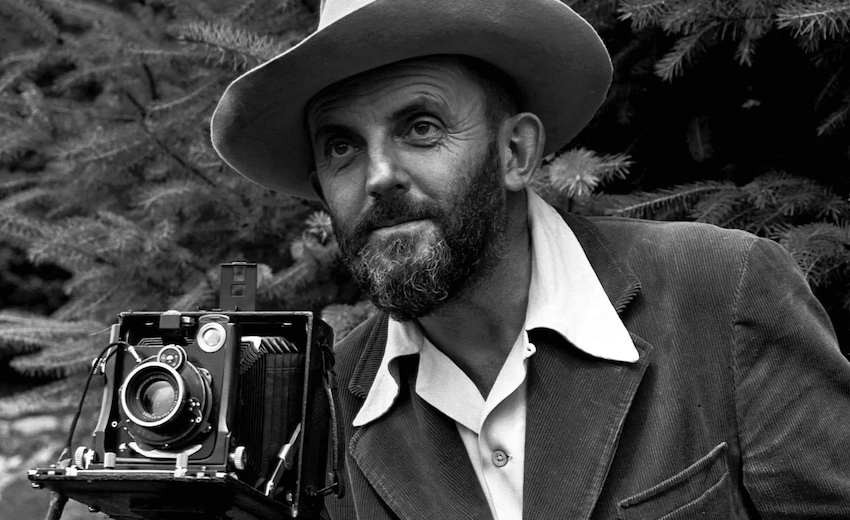
Before taking a landscape photograph, identify the brightest and darkest parts of the scene that matter. Decide whether you want detail in both, or whether you’re happy to let shadows go dark or highlights blow out. This habit alone moves you beyond automatic exposure and into photographing with intent.
2. Henri Cartier-Bresson
Henri Cartier-Bresson is one of the defining figures in street photography and photojournalism. Working mostly with a small Leica camera, he made images that feel spontaneous but are carefully composed, often catching the instant when gesture, architecture, and movement line up.
He’s closely associated with the idea of the decisive moment: the split second when a changing scene becomes visually meaningful. A person stepping into a patch of light or an unexpected expression can turn an ordinary frame into a memorable one.
Don’t always chase the action. Find an interesting background first, then wait. Watch how people move through the space and anticipate where a subject might complete the composition. Patience often beats firing off dozens of rushed frames.
3. Dorothea Lange
Dorothea Lange created some of the most enduring documentary photographs of hardship in the United States, particularly her images of displaced families and agricultural workers. That work brought public attention to lives that were often ignored or misunderstood.
Her photographs are remembered for their emotional force, but they also show the importance of respectful observation. Documentary photography shapes how viewers understand real people, so the photographer carries a responsibility to work with care rather than simply extract a striking image.
Portraits become more meaningful when there’s trust between photographer and subject. Introduce yourself, explain what you’re doing, and give people time to settle. Pay attention to context as well as expression — hands, clothing, home, or workplace can each tell part of the story.
4. Steve McCurry
Steve McCurry is widely known for richly colored documentary and travel photography. His portraits often use direct eye contact, strong color relationships, and simple backgrounds to make the subject immediately compelling. His photograph of an Afghan refugee girl became one of the most recognizable magazine portraits of its era. His body of work is a reminder that color does more than make a picture look vivid. It can set a mood, direct attention, and tie separate parts of a frame together.
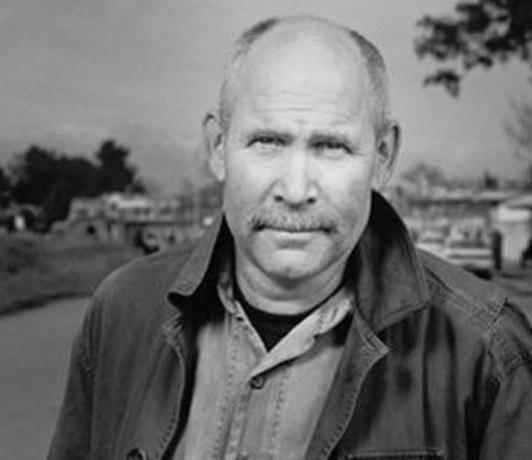
Start noticing color before you raise the camera. Look for a subject that contrasts with its background, such as warm clothing against a cool wall, or repeated colors that unify the frame. Keep the composition simple enough that color supports the subject instead of competing with it.
5. Annie Leibovitz
Annie Leibovitz is one of the most influential portrait photographers working today. She’s known for photographing musicians, actors, athletes, and cultural figures using cinematic lighting and carefully built visual concepts.
Her portraits show that a photograph can be constructed with real planning without losing personality. Location, wardrobe, props, pose, and light can all reveal something about a sitter when chosen with a clear purpose.
Plan portrait sessions before the camera comes out. Ask what the photograph should communicate — confidence, quietness, humor, strength — and build the location and lighting around that idea. Even a simple shoot benefits from a short shot list and a clear direction.
6. Richard Avedon
Richard Avedon changed both fashion photography and portraiture. He could shoot energetic, movement-filled fashion images, but he’s equally known for direct portraits against plain backgrounds, where facial expression, posture, and clothing carry the full weight of the picture.
Avedon proved that a plain setting doesn’t have to produce a plain portrait. Removing visual distractions can make a viewer look more closely at the person in front of the camera.
Try photographing someone against a blank wall or plain backdrop. Use a simple composition and ask your subject to vary their posture and expression. When the background is quiet, small changes in body language become far more visible.
7. Sebastião Salgado
Sebastião Salgado is a Brazilian photographer known for long-term documentary projects about labor, migration, environmental change, and remote landscapes. His black-and-white images are often expansive and dramatic, but they’re rooted in sustained work on a subject rather than a quick visit.
His projects show the value of returning repeatedly to the same theme. A deeper visual story usually takes time, research, access, and a willingness to revise your original assumptions.
Choose a subject close to home and photograph it over time — a local market, a changing neighborhood, a family business, or seasonal work in your area. Return regularly and look for details as well as wide scenes. A coherent series usually says more than a pile of unrelated single images.
8. Vivian Maier
Vivian Maier became internationally known after a large body of her photographs surfaced later in life. She spent much of her career working as a nanny while quietly making striking street photographs in Chicago and New York, with a sharp eye for reflections, shadows, and small moments of humor.
Maier also made frequent self-portraits, often appearing indirectly in mirrors, windows, and shadows. These images show how a photographer can be present in a picture without turning it into a conventional posed portrait.
Photograph what genuinely holds your attention, even if it doesn’t fit a popular style or trend. Carry a camera when you can, walk familiar streets slowly, and watch for visual surprises. Personal projects are a valuable place to experiment without worrying about immediate approval.
9. Robert Capa
Robert Capa was a major war photographer and a co-founder of the Magnum Photos agency. His work brought viewers close to the uncertainty and human cost of conflict, often conveying urgency and vulnerability rather than distant spectacle.
His career also offers a caution worth repeating. Being physically close to a subject can create powerful images, but nophotograph is worth unnecessary risk. This matters in conflict zones, protests, dangerous weather, traffic, wildlife encounters, and any environment where conditions can change quickly.
Get closer when it’s safe, respectful, and appropriate. Moving your feet rather than relying on a long zoom lens can make images feel more immediate. At the same time, assess the situation, respect boundaries, and never pressure people or put yourself in danger for a frame.
10. Jimmy Chin
Jimmy Chin is a photographer, filmmaker, and climber known for documenting adventure in demanding mountain environments. His images place athletes within vast landscapes while still communicating the technical difficulty and concentration involved in climbing, skiing, and exploration. His work succeeds because he understands the activities he photographs from the inside. That knowledge helps him anticipate movement, recognize meaningful moments, and work effectively with the people he documents rather than simply observing from a distance.
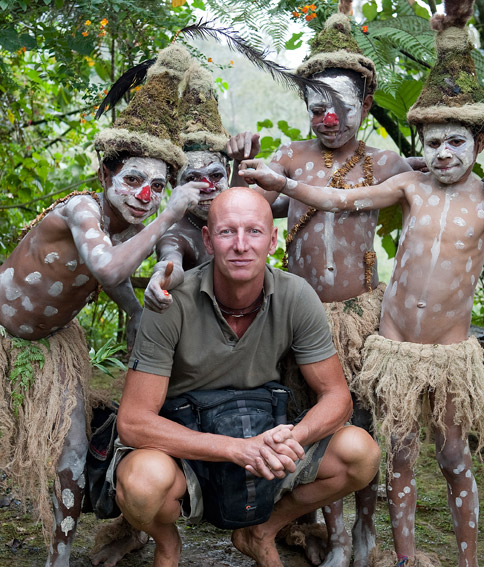
Use your existing interests as a starting point for photography. If you know gardening, music, cooking, cycling, or a local sport, you already understand moments an outsider might miss. Learn the rhythm of the activity, anticipate the important action, and photograph from within the community with permission and respect.
How to learn from them
Looking at great photography is most useful when you move beyond simply deciding whether you like an image. Choose one photographer from this list and examine a small selection of their work closely. Ask yourself:
- Where does your eye go first, and why?
- How are light and shadow being used?
- What has been included in the frame, and what has been left out?
- How close is the photographer to the subject?
- What effect does the color or black-and-white treatment create?
- Does the image work as a single picture, or as part of a larger story?
Then take one lesson into your own work. You might spend an afternoon waiting for a decisive moment, make a simple plain-background portrait, or start a month-long project about a place you already know well. The goal isn’t to copy another photographer’s style. It’s to borrow a way of seeing and turn it into your own visual language.
The photographers on this list are remembered not because they owned special equipment, but because they developed a point of view and applied it consistently. Start with the camera you already have, pay closer attention, and make each photograph a little more intentional than the last.