Essential Camera Gear Every Beginner Needs in Their Bag
The best camera gear for beginners is not the longest shopping list. It is a small, reliable kit that helps you photograph confidently without making every outing feel like a packing exercise. A camera body matters, but so do spare batteries, suitable memory cards, a comfortable way to carry everything, and a few simple accessories that prevent avoidable problems.
Start with equipment that supports the kind of photography you actually want to do. A lightweight setup may be ideal for travel and everyday pictures, while wildlife, portraits, or video may require different lenses and support. The essentials below form a sensible foundation for most new photographers, whether you use a mirrorless camera, DSLR, or a fixed-lens compact.
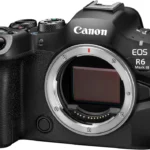
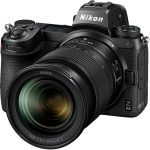
Camera body: choose a tool you will carry
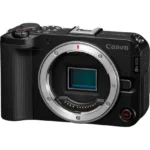
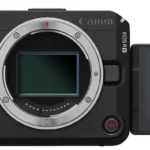
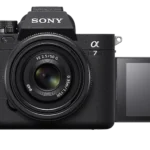
Your camera body controls the basic shooting experience, but the most advanced model is not automatically the best choice for learning. Look for controls that feel understandable, a grip that is comfortable in your hands, and a size and weight you will tolerate on a normal day.
Interchangeable-lens cameras offer room to expand because you can change focal lengths and choose lenses for different subjects. A compact camera, meanwhile, can be a practical option when portability matters more than lens flexibility. Either can produce strong photographs when you understand exposure, light, composition, and focus.
Before buying, check how the camera handles the tasks you expect to shoot. A beginner photographing family gatherings may value dependable autofocus and a useful built-in flash. Someone interested in landscapes may care more about lens choices and tripod compatibility. If video is important, consider the camera’s recording controls, microphone options, and how comfortably it can be operated while filming.
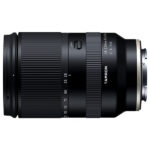
A versatile first lens
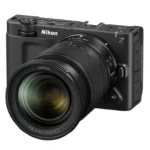
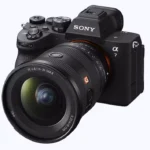
For a camera with interchangeable lenses, the kit lens supplied with the body is often a sensible place to begin. A standard zoom covers a useful range for everyday scenes: wider settings can include a room, building, or landscape, while longer settings can frame a person or detail more tightly.
A zoom also lets you learn how focal length changes a photograph. A wide focal length can exaggerate the space between foreground and background, while a longer focal length generally gives a tighter view and can make the background appear closer to the subject. Moving your feet still matters, but changing focal length helps you understand how perspective and framing work together.
When a prime lens makes sense
A prime lens has one focal length rather than a zoom range. Many photographers like primes because they are often compact and encourage deliberate composition. A moderately wide or standard prime can work well for street photography, travel, family images, and indoor scenes, depending on the camera format and the available light.
Do not feel pressured to buy one immediately. Use your first lens until you can identify a real limitation: perhaps you regularly need a wider view indoors, a brighter aperture for low-light work, or more reach for distant subjects. That limitation is a better guide than a general equipment list.
Extra batteries and a dependable charger
A depleted battery can end a photo walk at the least convenient moment. Carry at least one spare battery that is compatible with your camera, particularly for travel, events, cold conditions, or long periods of using the screen and autofocus.
Use a proper charger rather than relying on a loose charging arrangement when you need to prepare several batteries. At home, charge your batteries before an important shoot and check them rather than assuming they are full. It is also worth learning how your camera displays battery status, since battery indicators are not always a precise measure of remaining shooting time.
Keep batteries protected from loose metal objects such as keys. For longer trips, a small charging kit or a power bank may be useful if your camera and charger support that method, but confirm compatibility before relying on it.
Memory cards you can trust
Memory cards are easy to overlook until a full card stops you from taking another photograph. Carry at least one spare card, and choose a capacity and speed rating that suit your camera and the files you create. Raw photographs use more storage than JPEG files, and video can fill a card quickly.
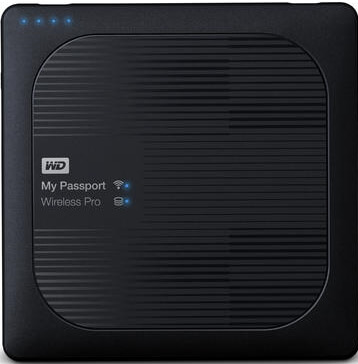
Do not wait until a card is completely full before copying your images. Transfer files to a computer or other storage, verify that the transfer worked, and then format the card in the camera when it is ready for reuse. Formatting deletes the files on the card, so make sure you have more than one copy before doing it.
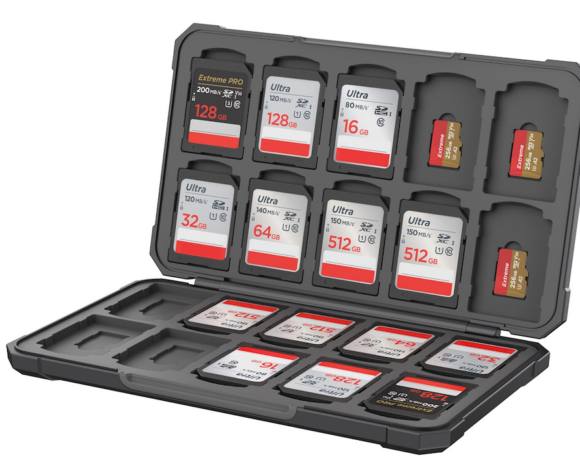
Store spare cards in a small protective case. Avoid keeping loose cards in a pocket where they can collect dust or become difficult to identify. If you photograph an important event, rotating through several cards can reduce the risk of losing every image if one card develops a problem.
A camera bag that fits your routine
The right camera bag should protect your equipment without encouraging you to carry more than you need. A small shoulder bag, sling, or padded insert may suit an everyday camera and one or two lenses. A backpack can distribute weight more comfortably when you are carrying a tripod, water, or other personal items.
Look for padding, secure closures, and enough room to remove the camera without unpacking everything. Weather resistance is useful, but it is not the same as complete protection in heavy rain. A separate rain cover or a simple waterproof outer layer can provide additional protection when conditions change.
A bag should not advertise expensive equipment or make the camera difficult to reach. Before buying, place your actual camera, lens, spare battery, and memory cards inside it if possible. A bag that is technically large enough but uncomfortable will often be left at home.
A comfortable strap or hand grip
The strap supplied with a camera can be perfectly usable, but comfort and security are important. A well-adjusted neck or shoulder strap keeps the camera accessible while leaving your hands free. A wrist strap or hand grip may be more convenient for short walks, street photography, or situations where you keep the camera ready in one hand.
Check the attachment points regularly, especially if you use a third-party strap or connector. Keep the camera supported when changing lenses or moving through crowded areas, and avoid letting a heavy lens pull sharply against a small strap connection.
Lens cloth and basic cleaning supplies
Dust, fingerprints, and water spots can reduce contrast and make an otherwise good photograph look untidy. Keep a clean microfiber cloth in your bag for the front element of the lens and the camera’s exterior.
A small blower can help remove loose dust before you wipe a surface. Avoid blowing with your mouth, since moisture can reach the lens. Do not scrub a dirty lens with a dry cloth if grit is visible; first remove loose particles as carefully as possible.
Cleaning the camera sensor is a more delicate task. If dust appears as repeated dark spots in images, follow the manufacturer’s guidance or use a reputable camera service rather than experimenting with unsuitable tools. A lens hood also helps shield the front element from stray light and offers some physical protection.
A sturdy tripod for slower, steadier photographs
A tripod is not essential for every beginner, but it becomes valuable in specific situations. It can keep the camera steady for landscapes in low light, long exposures, architectural photographs, and self-portraits. It is also useful for video when a stable, fixed composition matters.
Choose a tripod that can safely support your camera and lens, with a head that allows smooth and secure adjustments. A lightweight travel model is easier to carry, while a heavier tripod may provide greater stability. The practical choice is the one you will actually transport and set up.
When using a tripod, turn off image stabilization only if the camera or lens instructions recommend doing so for tripod work. Use a timer or remote release when pressing the shutter might cause movement, particularly during long exposures.
Reflector or small flash: useful additions, not first purchases
Natural light is enough for learning, so a reflector or flash does not need to be part of your first purchase. A simple reflector can bounce light back toward a portrait subject, softening shadows in bright outdoor conditions. A small flash can help in dim interiors, but direct on-camera flash may create harsh shadows if it is used without thought.
If you eventually buy a flash, learn how its direction, distance, and power affect the result. Bouncing light from a suitable nearby surface can produce a softer effect than pointing the flash directly at the subject, although the surface’s color and position will influence the final image.
What beginners can leave at home
Many accessories sound useful but solve problems you may not yet have. Multiple filters, several overlapping lenses, large lighting kits, and specialist supports can wait until your photography gives you a clear reason to buy them.
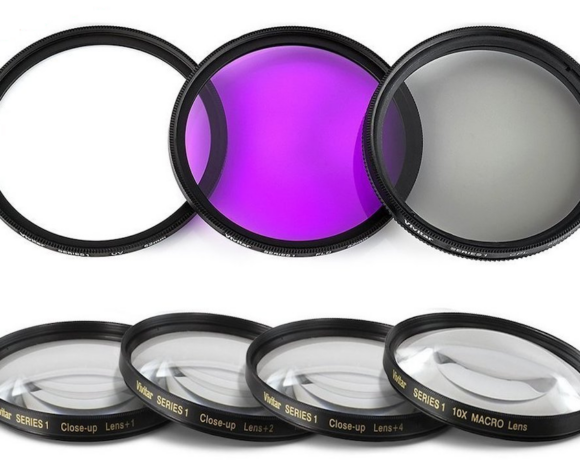
A UV or clear filter is sometimes used to protect a lens, but it can add another surface to keep clean and may affect flare in certain situations. A polarizing filter can be valuable for controlling reflections and deepening skies, but it is most useful once you understand when its effect helps the image.
The same principle applies to lenses: buy for a recurring need, not for an impressive-looking kit. Practice with the equipment you have, review the photographs you make, and note what repeatedly prevents you from getting the composition or exposure you want.
Pack for the photograph, not the fantasy
A dependable beginner camera kit can be surprisingly compact: a camera body, one versatile lens, a spare battery, two memory cards, a protective bag, a strap, and basic cleaning supplies. Add a tripod or another accessory when your preferred subjects demand it.
That approach keeps the bag manageable and leaves more attention for the important decisions: where to stand, what the light is doing, how the subject is framed, and when to press the shutter. Equipment should remove practical obstacles, not become the subject of every outing.