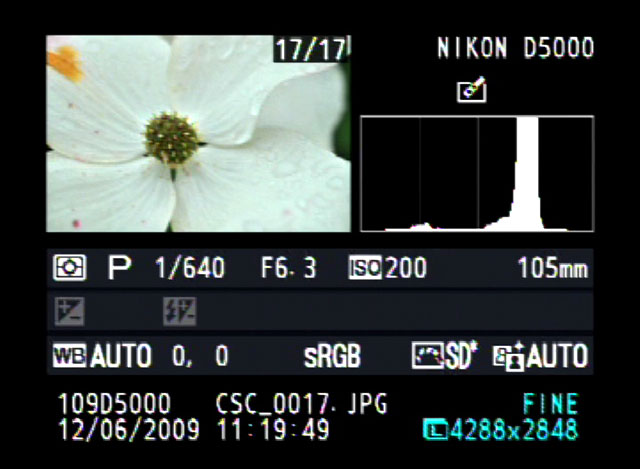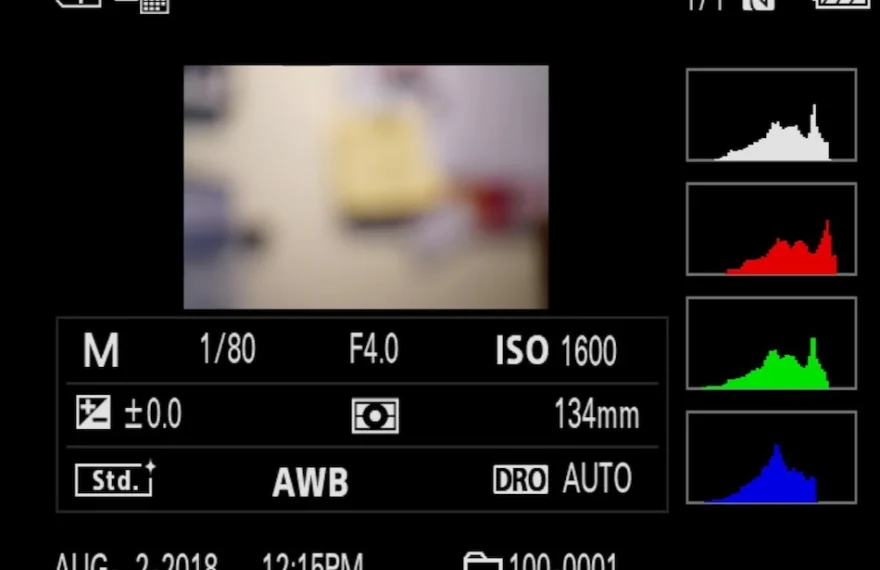
The histogram is one of photography's most misunderstood tools, but once you know how to read it, you'll never trust a bright LCD screen again. Here's a practical guide to using it in the field and in editing.
You have probably been there before. You are standing outside on a brilliant, sunny day, capturing what you think is the perfect landscape. You look at the small screen on the back of your digital camera, and the image looks fantastic. But later, when you load that same image onto your computer at home, you […]
Discover ten of the best photography websites for camera reviews, lighting tutorials, creative inspiration, technical guidance, and the business of photography.
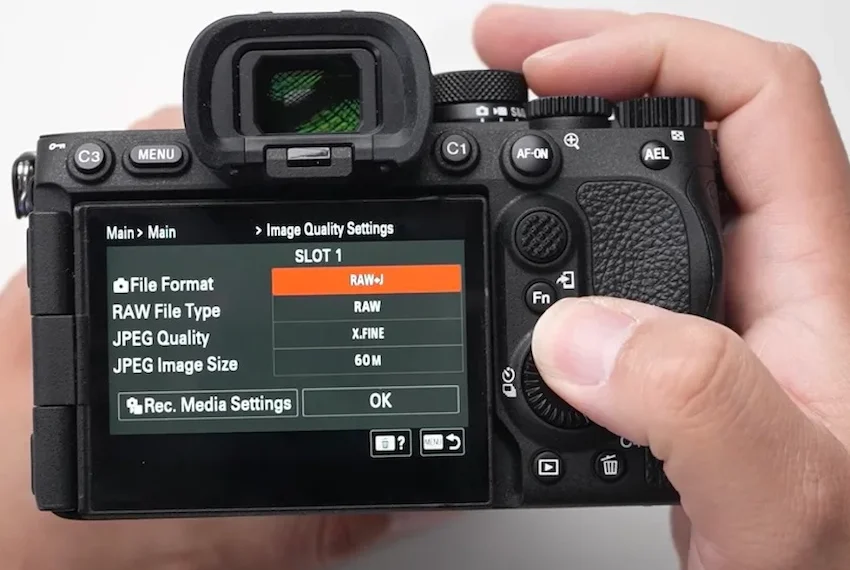
Learn the best beginner night photography camera settings, including aperture, shutter speed, ISO, focus, RAW and tripod techniques for sharper images.
Metering mode determines how your camera measures light and suggests exposure. Learn when to use evaluative, center-weighted, spot, partial, and highlight-weighted metering for more reliable photos.
Learn how to customize autofocus settings for portraits, wildlife, action, street photography, and landscapes. Build a faster, more reliable focus setup that matches the way you shoot.
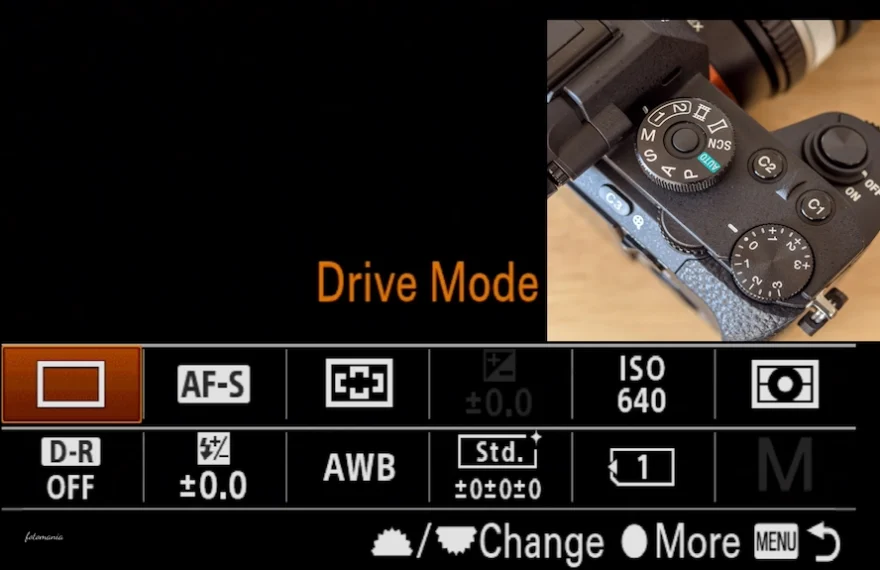
Drive modes control how your camera captures frames after you press the shutter. Learn when to use single shots, bursts, self-timers, silent mode, bracketing, and intervals.
Auto Exposure Bracketing helps you capture difficult scenes with bright highlights and dark shadows. Learn how to set AEB, choose EV spacing, and create cleaner HDR or blended photographs.
Exposure compensation lets you quickly make your camera’s metered exposure brighter or darker. Learn when to use it, how many stops to try, and how to protect important highlights.
Back-button focus separates autofocus from the shutter button, giving photographers more control over still subjects, moving action, and recomposed frames. Learn how to set it up, when to use it, and when to skip it.