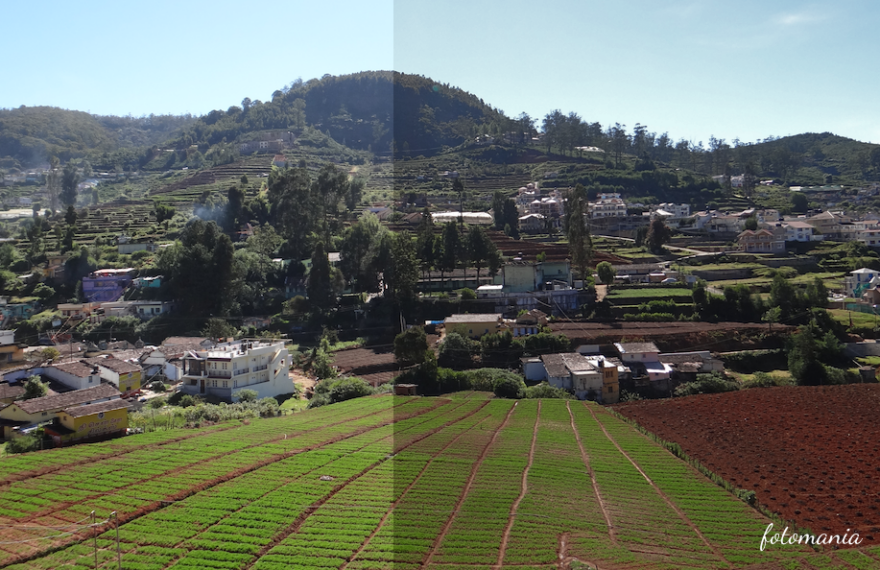
Auto Exposure Bracketing helps you capture difficult scenes with bright highlights and dark shadows. Learn how to set AEB, choose EV spacing, and create cleaner HDR or blended photographs.
Exposure compensation lets you quickly make your camera’s metered exposure brighter or darker. Learn when to use it, how many stops to try, and how to protect important highlights.
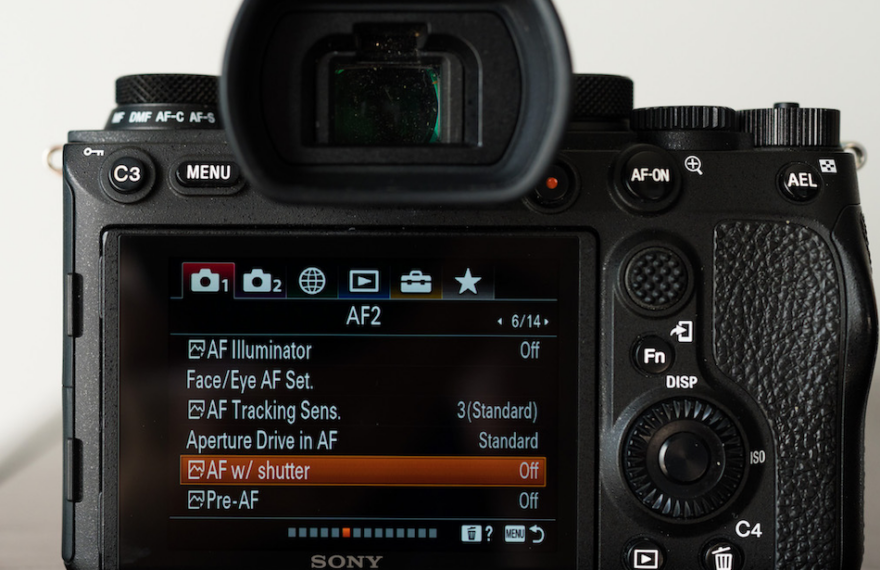
Back-button focus separates autofocus from the shutter button, giving photographers more control over still subjects, moving action, and recomposed frames. Learn how to set it up, when to use it, and when to skip it.
White balance controls how warm, cool, green, or magenta your photographs appear. Learn when to use Auto White Balance, presets, custom settings, and creative color choices.
Learn when to use AF-S, AF-C, automatic autofocus, and manual focus for sharper photos. This practical guide also covers focus areas, tracking, and back-button focus.
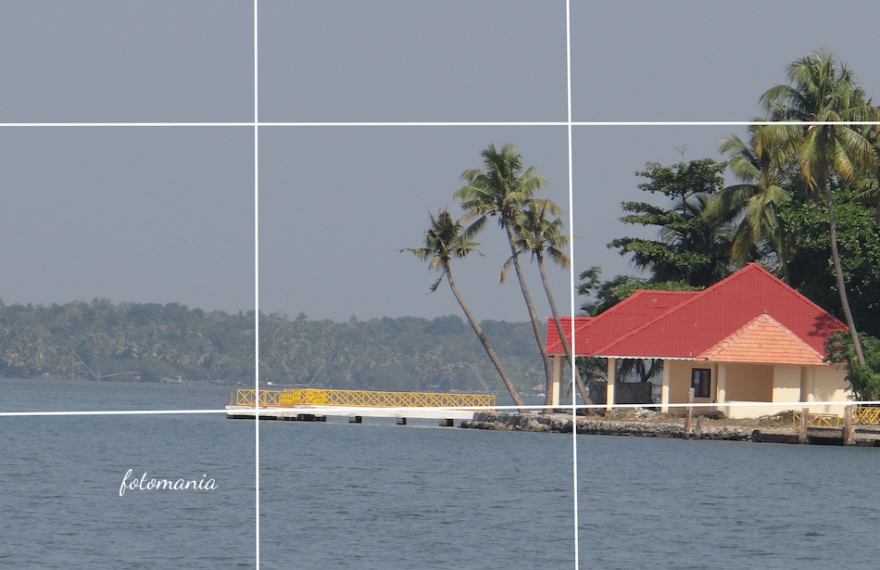
The rule of thirds is a simple composition guide that helps you place subjects, horizons, and empty space with more intention. Learn how to use it in portraits, landscapes, street photography, and beyond—plus when to ignore it.
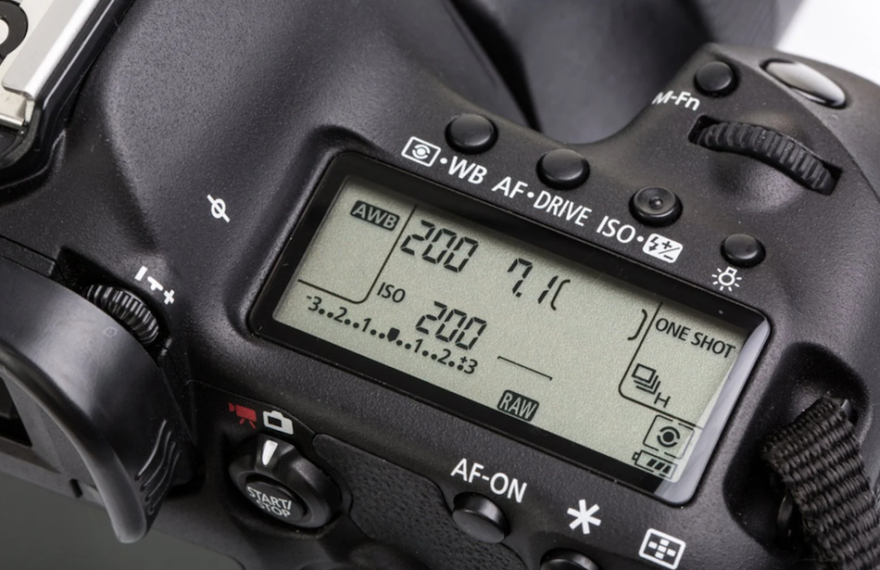
ISO is not a setting to fear—it is a practical tool for balancing shutter speed, aperture, and image quality. Learn when to raise it, how Auto ISO helps, and how to avoid blur in low light.
Shutter speed controls both exposure and the way motion appears in your photos. Learn practical settings for sharp action, creative blur, handholding, and long exposures.
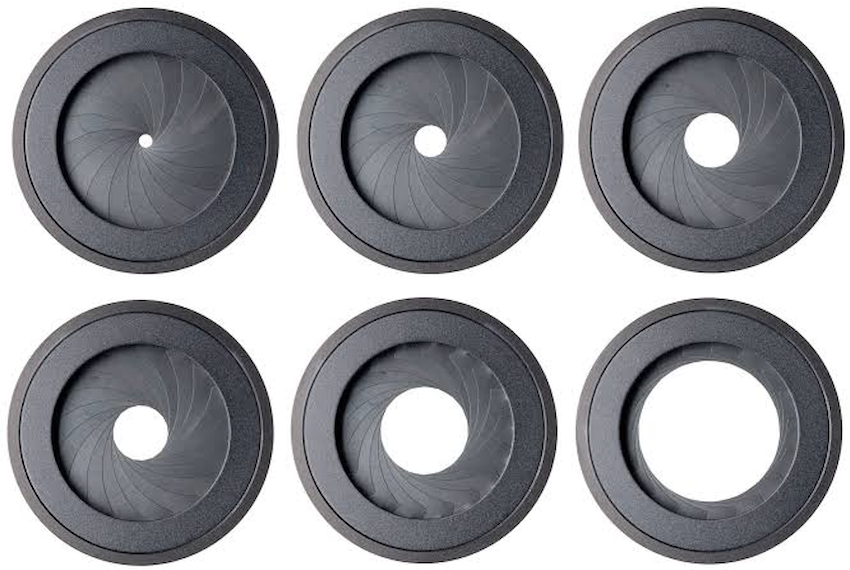
Depth of field controls how much of a photograph appears sharp. Learn how aperture, focal length, subject distance, and sensor format work together, with practical settings for portraits, landscapes, and close-ups.